If you grow in a one-bedroom condo, a duplex, or a stacked rental where your bedroom wall is your neighbor's bedroom wall, the AC Infinity Cloudline S4 for quiet exhaust in shared wall apartments is the inline fan most hobby growers reach for first. The S4 is a 4-inch mixed-flow inline fan that moves roughly 205 CFM at full speed, idles down to a whisper at speed 1, and ships with a PWM controller so you can dial it to the exact pressure your tent needs. In a 2x2, 2x4, or small 3x3 grow tent it gives you complete air exchange roughly every 60 seconds while staying well under the noise floor of a typical apartment refrigerator. This buyer's guide walks through why the S4 is the right size for shared-wall builds, how to install it so vibration never travels into drywall, what ducting and silencer tricks shave another 5–10 dB off the perceived noise, and where the bigger Cloudline T-series, S6, or competing EC fans make more sense.
Why the Cloudline S4 is the default pick for thin-wall apartments
The S4's appeal in a shared-wall build comes down to three numbers: 25 watts, 28 dB at speed 1, and a 10-speed PWM controller. Most 2x2 and 2x4 tents only need 40–80 CFM of actual extraction once you account for carbon filter resistance, ducting bends, and the fact that you almost never run a hobby fan at 100%. The S4's 205 CFM ceiling means you are typically running it at speeds 3–5, which is the sweet spot where the EC motor is quiet, the bearings are not whining, and the airflow through your carbon filter is slow enough for the activated charcoal to actually scrub odors instead of blasting air past untreated.
When shopping for AC Infinity Cloudline S4 for quiet exhaust in shared wall apartments, it pays to compare specs, capacity, and real-world runtime before committing.
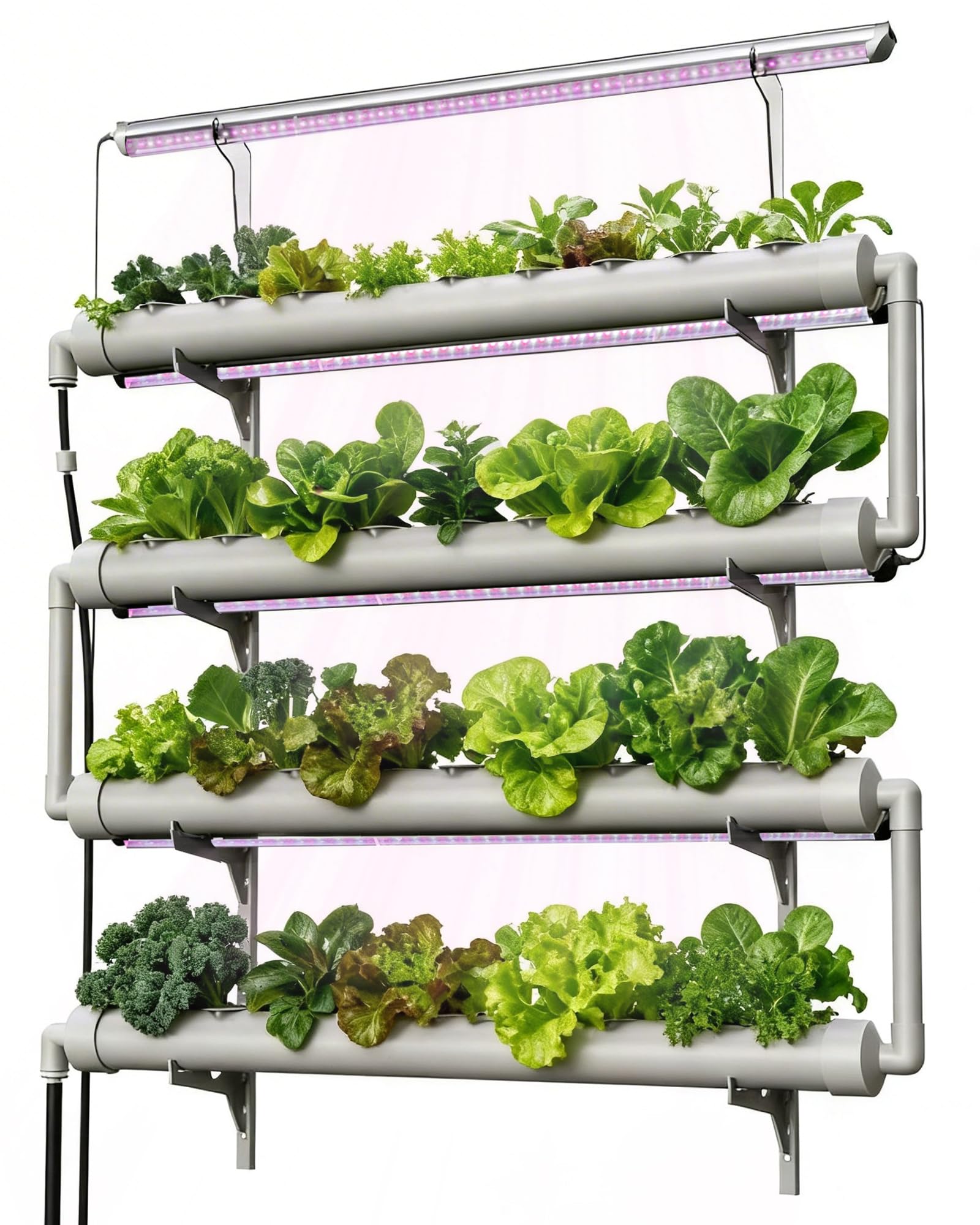
By contrast, the cheap AC-powered 4-inch fans you see bundled with starter tent kits run at one speed — full — and rely on a separate speed controller that introduces a 60 Hz hum. In a detached house that hum disappears into the HVAC noise floor. In a shared-wall apartment at 11 p.m., your neighbor hears it through the studs. The S4 uses a brushless EC motor with smooth PWM, so there is no hum, no buzz, and no audible step when the controller ramps it up or down to hold a temperature target.
How loud is "quiet" — the numbers that actually matter
Manufacturer dB ratings are measured in an anechoic chamber at 1 meter, with no ducting attached. Real-world noise in an apartment depends on four things: the fan itself, the ducting (rigid vs. insulated flex), the mount (rubber-isolated vs. screwed to a stud), and structure-borne vibration into the drywall. The S4 measures about 28 dB at speed 1, 32 dB at speed 5, and 52 dB at speed 10 on the bench. With 8 feet of insulated flex duct, a passive muffler, and rubber-isolated mounting, growers consistently report 22–26 dB at the tent exterior at speeds 4–5 — which is below the ambient noise floor of most apartments and inaudible through a shared wall.
For reference, a quiet library is around 30 dB, a whisper at 1 meter is about 30 dB, and a refrigerator hum is 40–45 dB. If your S4 install lands below 30 dB at the tent exterior, you can run it 24/7 in a studio apartment and your partner sleeping six feet away will not hear it. Hit that target and shared-wall transmission becomes a non-issue, because drywall + insulation + your neighbor's drywall typically attenuates another 30–40 dB on top.
Sizing: S4 vs. S6 vs. T-series for shared walls
The biggest mistake apartment growers make is oversizing the fan. A 6-inch S6 moving 402 CFM seems like "future-proofing," but in a 2x4 tent you will run it at speeds 1–2 forever, which puts the motor below its efficient torque band and can actually sound worse than an S4 running at speed 4. Stick to this rule: match fan size to your carbon filter size, and match filter size to your tent footprint. 2x2 and 2x4 tents take a 4-inch filter and the S4. 3x3 and 4x4 tents take a 6-inch filter and the S6. Going bigger than you need just means more ducting, more mass, and more potential vibration paths into the wall.

The T-series (T4, T6) adds a built-in temperature and humidity probe with an onboard controller, so the fan ramps itself based on tent conditions without needing an external Controller 69 or Controller 67. For a shared-wall apartment build the T4 is arguably the best single-purchase option because automatic ramping keeps the fan at the lowest possible speed that holds your VPD target — which is also the quietest possible speed.
Install checklist that keeps noise out of the drywall
Structure-borne noise is the part most apartment growers underestimate. A perfectly quiet fan that is hard-mounted to a 2x4 stud will transmit vibration directly into shared drywall and your neighbor will hear a low-frequency thrum that no dB meter at the tent exterior will pick up. Four things eliminate this:
- Hang the fan, do not mount it. Use the included rubber-coated mounting straps to suspend the S4 from the tent's top crossbar. Never screw it to a wall stud or ceiling joist that you share with a neighbor.
- Use insulated flex duct, not bare aluminum. Insulated 4-inch ducting has a foam jacket that absorbs both airflow noise and motor whine. Two 6-foot runs (intake side and exhaust side of the fan) make a measurable difference.
- Add a passive muffler. The AC Infinity 4-inch duct muffler is a 17-inch insulated cylinder you place inline between the fan and the window/vent. It shaves another 5–8 dB off airflow noise. Worth every dollar in an apartment.
- Decouple the carbon filter. Hang the filter on its own straps inside the tent rather than letting it rest against the tent wall. Any contact point is a vibration path.
Ducting routes for apartments without a dedicated grow room
Apartment growers exhaust into one of three places: a window, a dryer vent, or the room itself with a sealed carbon filter loop. Each has trade-offs.
Window exhaust is the most common. A 4-inch dryer-vent window insert lets you push warm tent air outside without needing to drill anything. The S4 has enough static pressure to handle 10–12 feet of insulated flex plus the window insert without speed penalty. Just make sure the insert has a backdraft damper so cold air does not pour in when the fan is off.
Dryer vent exhaust is the quietest because the duct run goes outside the building entirely, but you need to confirm with your landlord and verify the vent is not shared with a working dryer (lint plus grow tent humidity is a fire and mold combo nobody wants).
Sealed-room recirculation means the S4 pulls air through the carbon filter and dumps scrubbed air back into the same room. This works for odor control but not for heat. Only viable in cool basements or winter months in northern climates.
Controller choice: stock PWM, Controller 69, or Controller 67
The S4 ships with a simple 10-speed PWM dial. For a shared-wall apartment that is honestly enough — set it once at speed 3 or 4, walk away, and the fan never changes. But if you want set-and-forget VPD automation, the Controller 69 Pro adds temperature, humidity, and a smart-ramping algorithm that nudges the fan up by half-speed increments instead of jumping. Smooth ramps are inaudible. Step ramps are what wakes people up at 3 a.m. when lights-on triggers a temperature spike.
The newer Controller 67 (without the Pro suffix) is the budget choice and works fine for single-fan setups. Skip the bare PWM if you can afford the upgrade — smart ramping is the single biggest perceived-noise improvement after the muffler.
What the S4 will not fix
The AC Infinity Cloudline S4 for quiet exhaust in shared wall apartments handles the fan-noise side of the equation, but it cannot fix three things on its own:
- Light leak. A blackout tent at lights-off is unrelated to fan choice. Make sure your tent zippers and duct ports are light-sealed independently.
- LED driver coil whine. Some cheap LED bars emit a 5–10 kHz whine that travels through walls more readily than fan noise. Stick to drivers from reputable brands.
- Pump and timer clicks. Mechanical wall-timer clicks every 15 minutes are surprisingly audible at night. Use silent digital timers or smart plugs.
Where the S4 fits in a broader apartment grow build
The fan is one of five environmental decisions. The others — lighting, nutrients, growing medium, and monitoring — all interact. A high-efficiency LED bar runs cooler and demands less from the fan, which means lower speeds and quieter operation. A passive hydroponic setup like a DWC bucket or Kratky jar produces less ambient humidity than coco coir in fabric pots, which also lets the fan idle lower. For background on those interactions, see our hydroponic systems buying guide and guide to choosing the right indoor grow lights. If you are still deciding on a medium, the coco coir vs. soil breakdown covers how each affects tent humidity and therefore fan duty cycle. And if you want to dial in VPD precisely, the humidity-maintenance guide covers the sensor and humidifier choices that pair well with a Cloudline-based exhaust setup.
Frequently Asked Questions
Is the AC Infinity Cloudline S4 quiet enough to run overnight next to a sleeping baby or partner?
At speeds 1–3 with insulated flex duct and rubber-strap mounting, the S4 measures 22–28 dB at one meter from the tent — quieter than a typical bedroom fan on low. The vast majority of apartment growers report it being inaudible from an adjacent bed once the muffler is added. If you can hear it at night, the cause is almost always vibration transfer through a hard mount, not the fan itself.
Can a 4-inch Cloudline S4 handle a 3x3 grow tent or do I need the S6?
A 3x3 tent has a volume of about 60 cubic feet and the rule of thumb is one full air exchange per minute, so you need roughly 60 CFM of actual delivered airflow after carbon filter and duct losses. The S4 delivers 100–120 CFM at speed 6–7 through a 4-inch filter, which is enough for a 3x3 in cool weather. In summer or with high-wattage LEDs producing more heat, step up to the S6 for headroom.
Does the Cloudline S4 work with any 4-inch carbon filter or do I need the AC Infinity branded one?
Any 4-inch flange carbon filter fits, but Australian virgin charcoal filters (the kind AC Infinity and Phresh sell) outperform cheap pelletized carbon by a wide margin and last 12–18 months instead of 4–6. Pair the S4 with a quality 4x12 or 4x14 carbon filter and the system will scrub odors completely at the airflow rates the fan delivers.
Will my landlord or neighbors hear a Cloudline S4 grow tent through the wall?
With proper rubber-isolated mounting, insulated ducting, and a passive muffler, the exterior tent noise is below 30 dB — well below the ~40 dB ambient noise floor of most apartments. Drywall and insulation attenuate another 30–40 dB, so a neighbor on the other side of a shared wall hears essentially nothing. Hard-mounting the fan to a stud is the only way they would hear it, and that is avoidable.
How much electricity does the AC Infinity Cloudline S4 use in a month?
The S4 draws 25 watts at full speed and roughly 6–12 watts at the speeds most apartment growers actually run. At speed 4 running 24/7 for 30 days, that is about 7.2 kWh per month — under a dollar of electricity in most US markets. Cheaper to run than the LED light it supports.
Do I need the Cloudline T4 or the Controller 69 Pro instead of the stock S4 controller?
If you are growing a single-tent apartment setup and you are home most days, the stock 10-speed dial is fine. Upgrade to the T-series or add a Controller 69 Pro if you want the fan to ramp automatically based on temperature and humidity — the smooth PWM ramp is even quieter than a fixed speed because the fan only works as hard as it needs to in any given moment.
Can I exhaust the Cloudline S4 out an apartment window without permanent modifications?
Yes. A 4-inch dryer-vent window insert (a foam or plexi panel that drops into a sliding window) gives you a sealed 4-inch port with a backdraft damper. It is fully removable, leaves no holes, and most landlords have no issue with it. Combine with insulated flex duct from the tent to the window and you have a fully reversible apartment grow exhaust.
Key Takeaways
- Choosing the right AC Infinity Cloudline S4 for quiet exhaust in shared wall apartments means matching capacity and output ports to your actual devices
- Always check actual watt-hours (Wh), not just watts — runtime depends on Wh, not peak output
- Also covers: Cloudline S4 noise level
- Also covers: quiet grow tent fan apartment
- Also covers: AC Infinity S4 vs S6 noise
- Compare price-per-Wh across models to find the best value for your budget