The Click and Grow Smart Garden 9 for renters with no window light is one of the few countertop gardens engineered to grow herbs, leafy greens, and small fruiting plants in completely windowless apartments, basement studios, or interior bedrooms. Because the unit ships with a built-in full-spectrum LED panel calibrated for photosynthesis, it does not rely on any ambient daylight, which makes it a rare match for renters living in north-facing units, garden-level flats, or shared housing where window access is limited or non-existent. In this guide we cover why the Smart Garden 9 works in dark rentals, what to expect for yields, how to set it up without drilling or modifying walls, and which plant pods perform best when sunlight is genuinely zero.
If you are weighing this against other plug-and-play kits, our broader breakdown of smart indoor garden kits and the head-to-head AeroGarden vs Click and Grow comparison are good companion reads.
Why the Smart Garden 9 Works for Renters Without Window Light
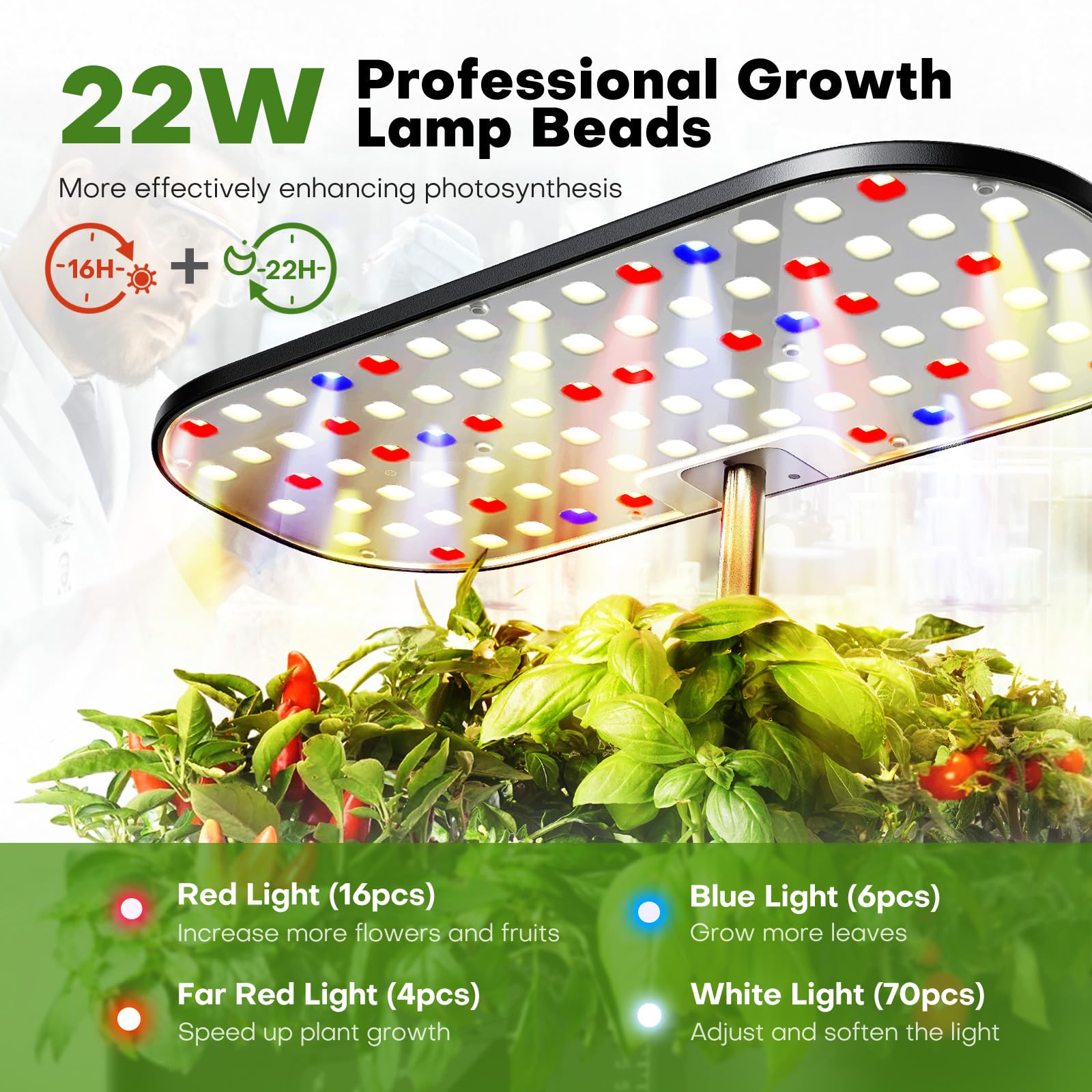
Most “indoor” garden kits sold on Amazon assume you have at least a few hours of indirect sun. That assumption breaks down fast for renters in interior rooms, basement apartments, or units that face brick walls and air shafts. The Click and Grow Smart Garden 9 for renters with no window light solves this problem because the LED hood is the only light source the plants need. Its 30W full-spectrum panel emits the red, blue, and white wavelengths necessary for both vegetative growth and flowering, which means basil, lettuce, chili peppers, and even tiny tomatoes can complete their life cycle inside a closet-sized footprint.
Three properties make it especially renter-friendly:
- No drilling, mounting, or rewiring. The unit is a self-contained appliance that plugs into a standard outlet. Nothing is attached to walls or ceilings, so security deposits stay intact.
- Self-watering reservoir. A 3-liter tank lasts roughly two to three weeks, so the garden survives short trips and weekend absences without a neighbor coming by.
- Automatic light cycle. The lamp runs 16 hours on, 8 hours off without any timer to configure. For renters who travel for work or have unpredictable schedules, the unit just keeps running.
Light Output: Is the LED Really Enough?
This is the question most renters ask before buying. The honest answer is: yes for leafy greens and herbs, mostly yes for small fruiting plants, and no for anything that needs serious flowering wattage like full-sized tomatoes or peppers grown to maturity. The hood sits roughly 8 to 14 inches above the canopy depending on how high you extend the arm, and the photosynthetic photon flux density (PPFD) at canopy height is sufficient for category 1 and 2 plants on the DLI (daily light integral) scale.
If you want to understand how this LED compares to clip-on or panel lights you might pair with a regular pot, our guides on choosing the best grow lights for indoor plants and LED vs fluorescent grow lights walk through the spectrum and intensity tradeoffs in detail.
What Grows Well in a Windowless Apartment
Based on renter reports and the manufacturer’s pod catalogue, these categories thrive in zero-daylight conditions under the Smart Garden 9:
- Herbs: basil (Genovese, Thai, lemon), mint, parsley, cilantro, dill, oregano, thyme, chives. These finish in 4 to 6 weeks and re-flush for months.
- Leafy greens: butterhead lettuce, romaine, arugula, pak choi, mizuna, kale. Best harvested as cut-and-come-again at 30 to 40 days.
- Edible flowers: nasturtium, viola, marigold. These add color and are surprisingly forgiving under LED.
- Compact fruiting plants: wild strawberries, mini tomatoes, mini chili peppers. Yields are modest (think garnish, not grocery replacement) but viable.
Setup in a Rental: Step by Step
Setup takes about 15 minutes and requires no tools. The base sits on any flat surface that can support roughly 5 kg when the reservoir is full. The most common renter mistake is placing the unit too close to a wall, which traps heat and humidity. Leave at least four inches of clearance on all sides.
- Unbox the base, lamp arm, and three pod trays.
- Slide the arm into the base and tighten the thumb screw by hand.
- Fill the reservoir with cool tap water until the float indicator rises.
- Drop in the plant pods, snap on the plastic domes, and plug the unit in.
- Press the lamp button once; the 16/8 cycle starts immediately.
Once seedlings break through the dome (typically 5 to 10 days), remove the domes and lift the lamp arm to the next notch. From there, the only weekly task is checking the float indicator and topping up water.
Noise, Heat, and Smell: Renter Considerations
The Smart Garden 9 uses a small water pump that runs on a short cycle every few hours. It is audible in a quiet bedroom but quieter than a typical refrigerator hum. Heat output from the LED is negligible — the lamp runs warm, not hot, and will not raise room temperature in a meaningful way. There is no odor; the closed-bottom reservoir prevents the stagnant-water smell that plagues open hydroponic trays. For studio apartments where the garden lives a few feet from the bed, these properties matter more than the marketing copy admits.
Pod Costs and Ongoing Expenses
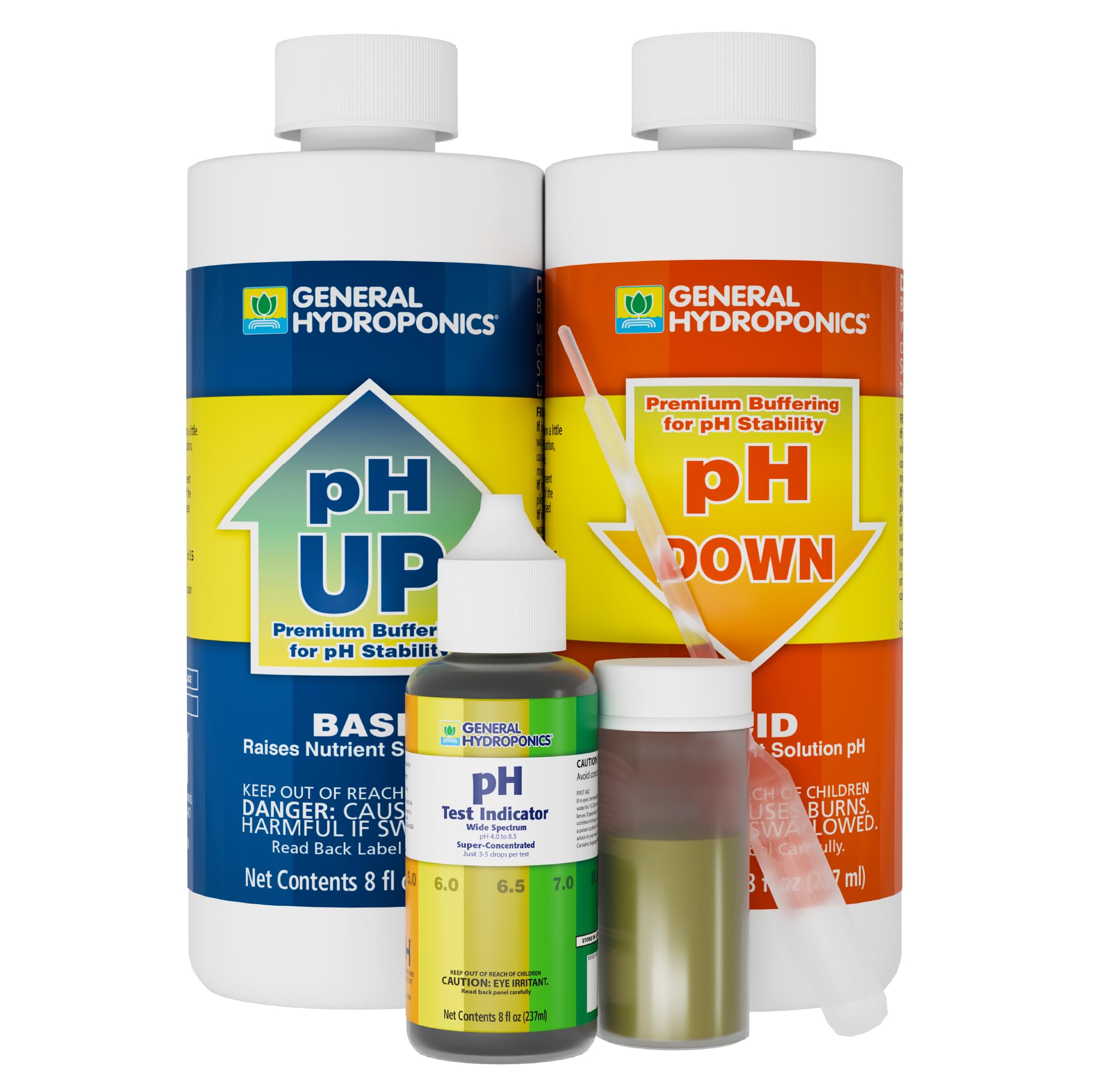
Plant pods are proprietary and run roughly $3 to $5 per pod depending on bundle size. A full refill of nine pods costs about $30 to $45, and a typical herb cycle lasts two to four months before re-seeding. Renters who want to cut costs can buy the refillable “grow anything” pods and seed them with bulk seeds from any garden store, which drops cost-per-cycle by about 70%. The reservoir uses plain tap water; nutrients are pre-loaded in the pod, so there is no separate liquid feed to dose.
If you are curious how this compares to mixing your own nutrient solution in a larger setup, our overview of indoor plant nutrients covers the broader landscape.
Limitations You Should Know Before Buying
The Smart Garden 9 is genuinely useful for windowless renters, but it is not a farm. Honest limitations:
- Yield ceiling. Nine plants is plenty for garnish, salads, and tea, but it will not replace grocery produce for a household.
- Pod lock-in. Proprietary pods are the path of least resistance. Refillable pods work but require more attention.
- Vertical clearance. The arm extends to about 16 inches above the base. Tall plants like full-sized tomatoes will hit the lamp.
- No app or smart-home integration. The unit is intentionally simple. If you want sensors, scheduling, and remote control, look at higher-tier kits.
Smart Garden 9 vs Other Options for Dark Rentals
Renters in windowless units typically choose between three categories: the Smart Garden 9, an AeroGarden Harvest with its taller hood, or a DIY clip-on LED over standard pots. Each has tradeoffs.
| Option | Plant capacity | Needs window light? | Setup difficulty | Best for |
|---|---|---|---|---|
| Click and Grow Smart Garden 9 | 9 pods | No | Very easy | Herbs and greens, set-and-forget renters |
| AeroGarden Harvest 360 | 6 pods | No | Easy | Mixed herbs, small countertops |
| DIY pots + clip LED | Variable | No (with LED) | Moderate | Hobbyists who want full control |
| Window-only herb pots | Variable | Yes | Easy | Renters with south-facing light only |
For a deeper look at the runner-up, see our AeroGarden Harvest 360 review. If you would rather build from parts, our guide to choosing the best indoor garden kit walks through the decision tree.
Care Routine for Windowless Renters
The whole point of this kit is low maintenance, but a few habits keep yields strong over the long term:
- Top up water weekly. Even though the float indicator is conservative, checking weekly prevents surprises.
- Trim aggressively. Basil and mint reward heavy pruning with bushier regrowth. Snip above the second leaf node.
- Rotate pods. Faster-growing plants (basil, lettuce) shade slower ones (parsley, thyme). Move tall plants to the outer slots.
- Clean the reservoir between cycles. Empty, wipe with a vinegar-water solution, and refill before starting new pods. This prevents algae and biofilm.
- Replace pods when productivity drops. Most herbs decline after 3 to 4 months; greens after 6 to 8 weeks.
For renters who want to expand beyond a countertop kit, our indoor gardening beginners guide covers the broader skill set.
Frequently Asked Questions
Can the Click and Grow Smart Garden 9 really grow plants in a room with zero natural light?
Yes. The full-spectrum LED hood provides the entire light budget the plants need, so a closet, hallway, or windowless basement works the same as a sunny kitchen. The only environmental factors that still matter are temperature (keep the room between 65°F and 78°F) and humidity (40 to 60 percent is ideal). Renters in extremely dry winter apartments may want a small humidifier nearby, but no daylight is required at any stage.
Will the Smart Garden 9 raise my electric bill noticeably in a small rental?
No. The LED panel draws about 30 watts and runs 16 hours per day, which works out to roughly 0.48 kWh daily or about 14.5 kWh per month. At average U.S. residential rates that is under $2 per month, comparable to leaving a single LED bulb on. The pump adds a negligible amount on top. This is meaningfully cheaper than most window-AC units or even a desk fan running continuously.
Is the light bright enough to disturb sleep if the garden is in a studio apartment?
The LED is bright — deliberately so, since it is replacing the sun. In a studio it will light up the room similar to a desk lamp left on. Most renters solve this by placing the unit so the hood faces away from the bed, by buying the optional lamp cover, or by re-syncing the light cycle so the 8-hour off period overlaps with sleep. To reset the cycle, simply unplug the unit, wait a minute, and plug it back in at the time you want the lights to turn on.
What happens to the plants if I leave for a two-week vacation?
The 3-liter reservoir typically lasts 14 to 21 days depending on plant maturity and room temperature. A fully grown nine-pod garden in a warm apartment may drain the tank closer to the 14-day mark, while a young garden can stretch past three weeks. For a standard two-week trip, top the reservoir off the morning you leave and the garden will be fine. For longer absences, ask a neighbor to top up once.
Can I use my own seeds instead of buying Click and Grow pods?
Yes, but you need the refillable “grow anything” pod kits, which come with empty pods, peat substrate, and nutrient capsules. You add your own seeds (basil, lettuce, peppers, whatever) and follow the same routine. This drops cost-per-cycle dramatically and lets you grow varieties Click and Grow does not sell, like specific heirloom basils or unusual lettuces. Germination rates are slightly lower than the pre-seeded pods, so plant two seeds per pod and thin the weaker sprout.
Does the Smart Garden 9 work for renters who travel for work and are home only on weekends?
It is arguably the ideal kit for that lifestyle. The automatic light cycle, self-watering reservoir, and zero need for daylight mean the garden runs unattended for one to two weeks at a stretch. Frequent-traveler renters typically top up water on Friday night and harvest on Sunday, with no weekday intervention required.
Will my landlord have any reason to object to a Smart Garden 9 in the unit?
In almost every case, no. The unit is a plug-in appliance with no permanent installation, no water lines, no drainage, and no modifications to walls or ceilings. It draws less power than a microwave and produces no smoke or strong odors. The only edge case worth checking is if your lease has unusual clauses about “grow operations,” which are typically aimed at cannabis cultivation rather than basil. A countertop herb garden is functionally identical to a kitchen appliance from a lease-compliance standpoint.
Final Verdict
For renters in interior rooms, basement units, north-facing studios, or any apartment where window light is genuinely unavailable, the Click and Grow Smart Garden 9 for renters with no window light is one of the cleanest solutions on the market. It does not require drilling, it does not need supplemental lighting, and it grows a meaningful amount of fresh herbs and greens with almost no ongoing attention. It is not a replacement for grocery shopping, and the proprietary pods are a real (if optional) cost. But as a way to bring living, edible plants into an otherwise dark rental, it is hard to beat.
If you want to keep researching before buying, our best indoor hydroponic systems of 2026 guide ranks the broader category, and our indoor herb gardening tips will help you get the most out of whichever kit you choose.
Key Takeaways
- Choosing the right Click and Grow Smart Garden 9 for renters with no window light means matching capacity and output ports to your actual devices
- Always check actual watt-hours (Wh), not just watts — runtime depends on Wh, not peak output
- Also covers: windowless apartment herb garden
- Also covers: Smart Garden 9 north-facing apartment
- Also covers: renter-friendly indoor garden no sunlight
- Compare price-per-Wh across models to find the best value for your budget