If you or a loved one is shopping for an ezgro aeroponic tower for arthritic seniors with grip strength limits, the short answer is this: the EZ-GRO line is one of the more arthritis-friendly vertical growing systems on the market because it uses snap-together modular rings, a low-pressure recirculating pump (no heavy reservoirs to lift), large net-pot openings that accept full-hand insertion, and twist-free assembly that doesn't require fine pinch grip. Pair the tower with a few simple adaptive aids — a rolling base, lever-style nutrient bottles, and a long-handled harvest snip — and most seniors with moderate arthritis, carpal tunnel, or reduced grip strength can run a full 20-plant tower without daily strain on the hands or wrists.
This 2026 buyers guide walks through what to look for, which features actually matter for arthritic users, how to set the tower up with minimal force, and which adaptive accessories make daily care almost effortless. We'll also cover red flags that signal a tower is not grip-friendly, regardless of marketing claims.
Why aeroponic towers can be ideal for seniors with arthritis
Traditional gardening punishes arthritic joints. Kneeling, digging, hauling 40-pound bags of soil, squeezing pruners against rose canes, and twisting garden hose fittings are all motions that flare osteoarthritis, rheumatoid arthritis, and trigger finger. Vertical aeroponics removes most of those motions. Plants grow at chest and eye level, there is no soil to lift, watering is automatic, and harvest is a simple pinch or snip of greens that are already standing upright.
The EZ-GRO system in particular is built around stackable rings rather than a single tall pole that has to be threaded through a sleeve. Each ring weighs only a few pounds empty, so a senior can assemble the tower one ring at a time without ever lifting more than they would lift a coffee pot. The water reservoir sits at the base, and the recirculating pump pushes nutrient solution up through a center column to mist the roots — no hand-pumping, no daily watering can, no wringing of squeeze bottles.
What "grip strength limits" actually means when choosing a tower
Hand-grip strength below roughly 20 kg in women and 30 kg in men is the threshold where most everyday gardening tools start to feel difficult. If a senior struggles to open a jar of pasta sauce, squeeze a trigger sprayer for more than a few seconds, or twist a stiff bottle cap, the same limitations will affect garden equipment. When evaluating an ezgro aeroponic tower for arthritic seniors, focus on these specific pain points:
- Net pot insertion force — if a pot has to be jammed into a friction-fit hole, that's a pinch-grip task. EZ-GRO uses drop-in pots that rest by gravity.
- Reservoir lid removal — screw-on lids are arthritis enemies. Look for hinged, magnetic, or lift-off lids.
- Nutrient bottle dispensing — small dropper bottles with stiff squeeze necks are painful. Pre-mixed lever-pump bottles or measuring cups solve this.
- Cleaning and disassembly — if the tower requires unscrewing a center column or pulling apart a tight seal, monthly cleaning becomes a dreaded chore.
- Reach height — towers above 5 feet require either a step stool or a sit-down accessibility design. Choose your height carefully based on standing balance.
Key features to evaluate in an EZ-GRO setup
Modular ring design and total ring count
EZ-GRO towers come in configurations ranging from 12 plants (3 rings) up to 36 plants (9 rings). For an arthritic senior, the sweet spot is usually 16–20 plants. That delivers enough lettuce, herbs, and small fruiting plants for two adults without requiring the user to reach above shoulder height — which is a common shoulder and grip strain point. Each ring is light enough for one-handed positioning, and the snap connection requires push pressure rather than rotational torque, which is significantly easier on inflamed finger joints.
Pump style and reservoir access
The standard EZ-GRO reservoir holds roughly 5 to 7 gallons of water depending on the model. Filling it once is the heaviest single task in the entire system, and even that can be solved by leaving the tower in place and filling with a lightweight watering pitcher or a length of garden hose with a thumb-valve nozzle. The submersible pump is plug-and-play — no priming, no manual hand pumping. Look for a model with a hinged or removable top lid rather than a threaded port so you can top up nutrients without unscrewing anything.
Lighting integration for indoor placement
If the tower will live indoors or on a covered porch, supplemental LED lighting is essential. Many EZ-GRO buyers add a clip-on or freestanding LED panel rather than a built-in grow light, which keeps the tower itself lighter and easier to disassemble. Our overview of the best grow lights for indoor plants in 2026 covers panels with simple toggle switches and large, arthritis-friendly buttons rather than fiddly remote controls.
Setup and assembly tips for arthritic users
Unboxing day is the single most physically demanding moment in the life of any aeroponic tower. Plan ahead and you'll never strain a joint:
- Open the box at floor level, not on a counter. Use a box cutter with a thick rubber grip rather than scissors — the squeezing motion of safety scissors is brutal on arthritic thumbs.
- Lay all rings out flat before stacking. Identify the base ring, the connecting column, and the top cap. This avoids picking up and putting down the same ring multiple times.
- Assemble on a rolling plant caddy. A simple wheeled platform under the reservoir means you never have to lift the full tower again after this one assembly session.
- Use a kitchen step stool with a top handrail. The handrail provides a stable bracing point for one hand while the other places the upper rings.
- Stop and rest between each ring. Arthritis flares from sustained low-grade gripping more than from a single hard squeeze. A two-minute break after each ring prevents end-of-day swelling.
For seniors who live alone, consider asking a family member or neighbor to be present for the initial assembly only. Once standing, the tower requires no further heavy work.
Daily care without grip strain
Routine maintenance on an EZ-GRO tower is genuinely minimal once it is running. The aeroponic pump runs on a timer (typically 15 minutes on, 15 minutes off), so there is no watering to remember. Daily tasks reduce to:
- Visual check of the water level through the reservoir window (no lifting required)
- Top-up with pre-mixed nutrient solution every 4–7 days
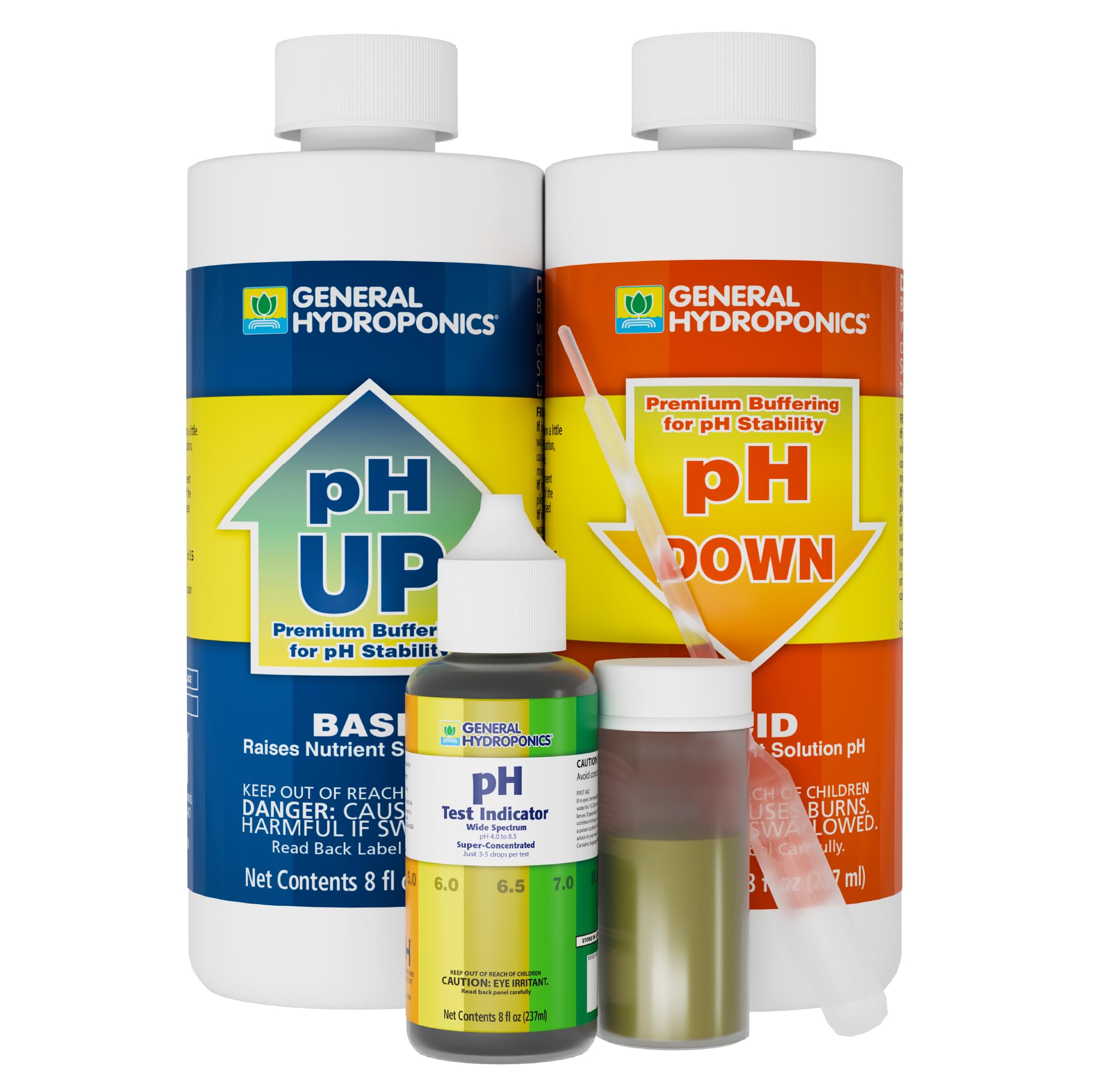
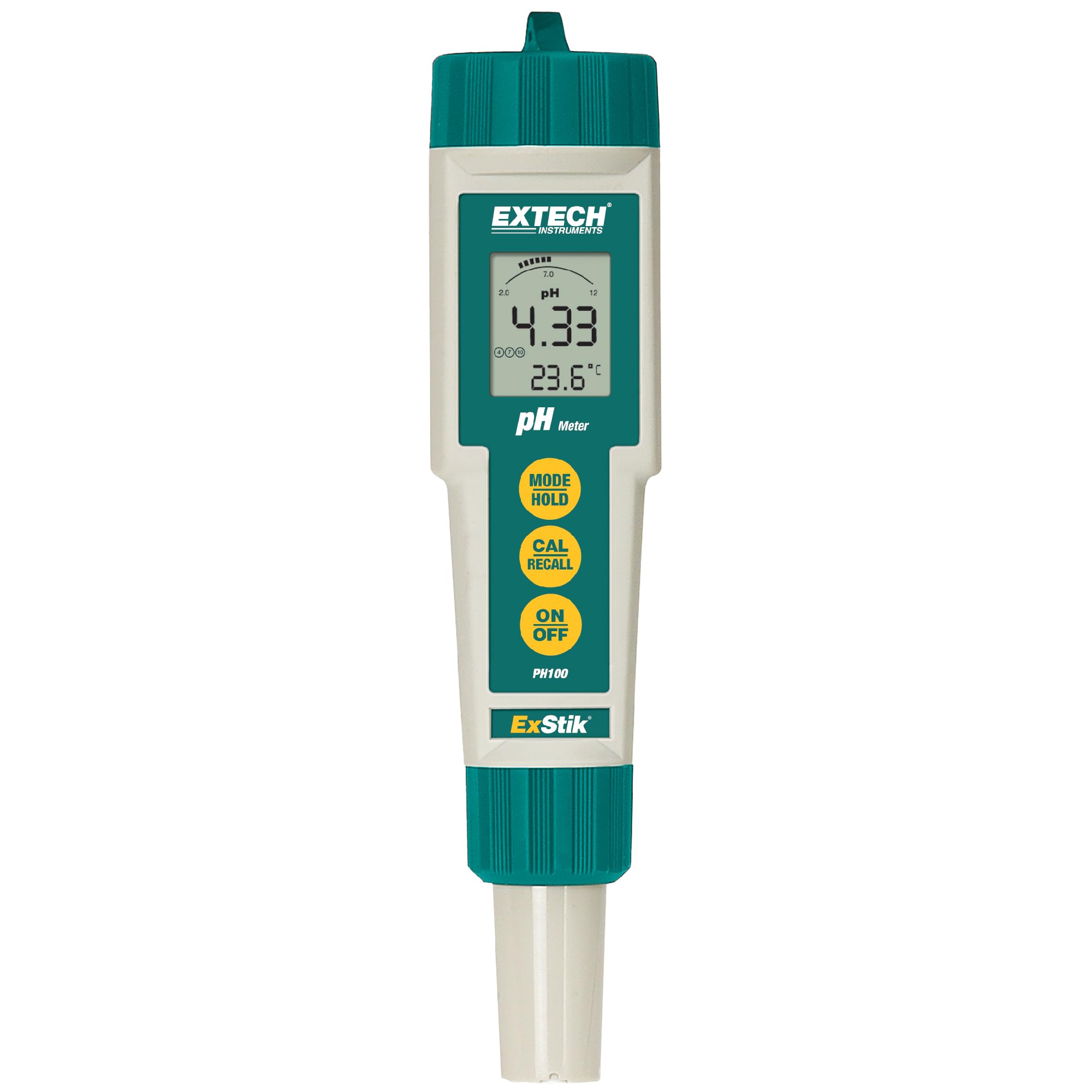
- A quick pH check using a digital meter — see our roundup of the best pH and EC meters in 2026, several of which have oversized one-button operation perfect for arthritic hands
- Harvesting leaves with kitchen shears or long-handled snips
That's it. There is no soil to weed, no watering can to lift, no kneeling, and no twisting hose connections. For most users with mild to moderate arthritis, total hands-on time runs about 10 minutes per week.
Adaptive accessories that transform the experience
Lever-pump nutrient bottles
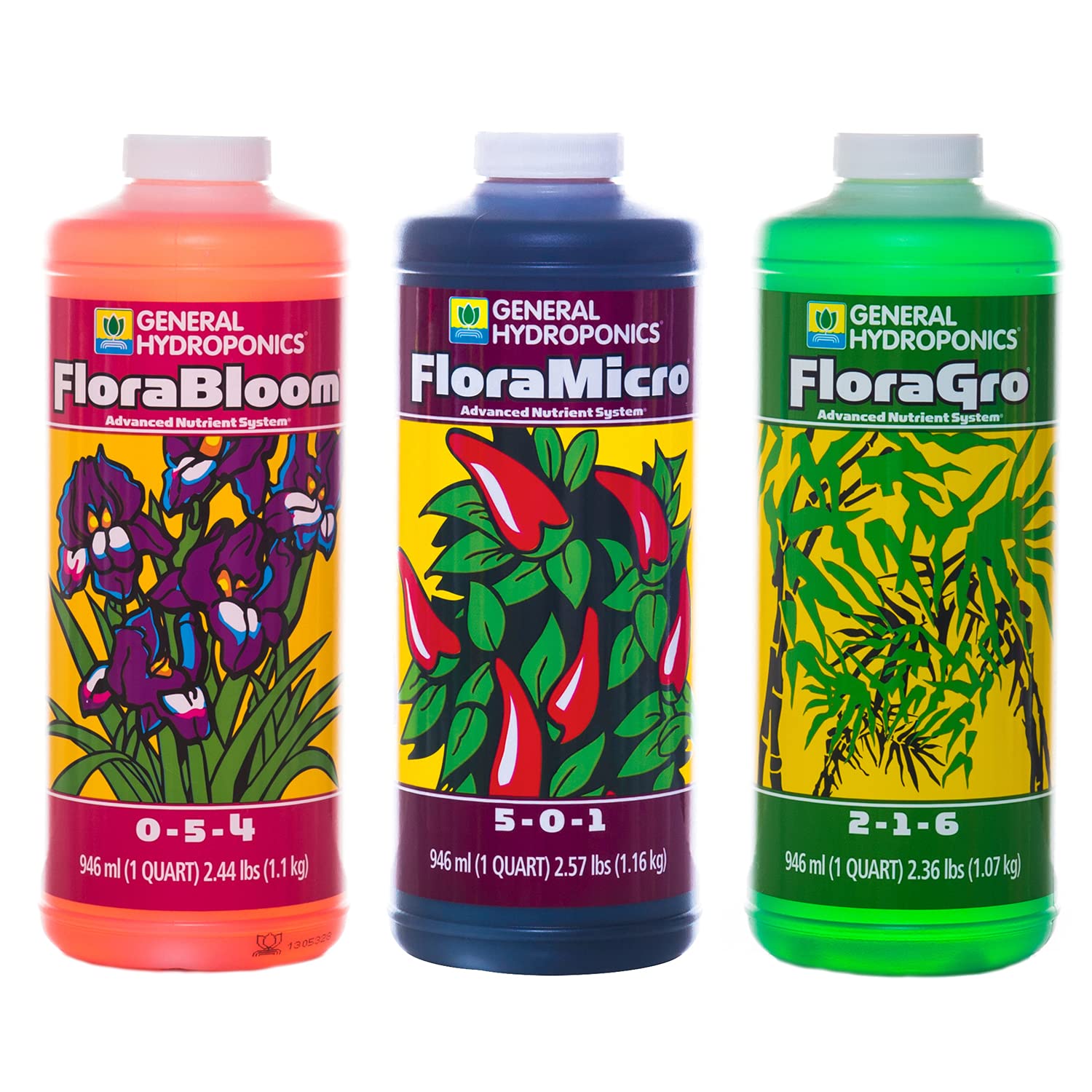
Standard hydroponic nutrient bottles come with stiff plastic squeeze necks that require a strong pinch grip to dispense the correct dose. Replace them with a kitchen-style lever-pump dispenser (the same type used for shampoo refill bottles). One light press of the heel of the hand delivers a measured 1 ml or 5 ml dose without any thumb pressure. Our guide to choosing the best hydroponic nutrient solutions includes notes on which brands ship with pre-measured pouches that eliminate squeezing entirely.
Rolling tower base
A wheeled plant caddy rated for 200+ pounds lets you roll the entire tower to a sink for cleaning rather than disassembling it. Look for casters with toe-tap brakes — finger-pinch brake levers are unusable for arthritic hands.
Long-handled harvest snips
Spring-loaded micro-tip snips with a finger-loop design (rather than ring handles) reduce the cutting motion to a simple finger curl. Avoid scissor-style pruners that require thumb-to-finger opposition pressure.
Magnetic measuring scoops
For powdered nutrients, a set of stainless steel measuring scoops with magnetic handles that snap to the reservoir lid eliminates the fine motor task of locating and uncapping a small jar lid each week.
Plant choices that match arthritis-friendly care
Not every crop is equally easy on arthritic hands. Stick with cut-and-come-again leafy greens and soft herbs for the easiest harvest experience:
- Best: butterhead lettuce, romaine, basil, parsley, mint, chard, kale — all harvested with a single light snip
- Good: arugula, spinach, cilantro — small leaves that can be plucked by hand
- Skip: cherry tomatoes and strawberries unless you enjoy them — they require frequent picking and the pinch motion to detach fruit can aggravate thumb arthritis
For a deeper dive into productive herb choices, see our piece on successful indoor herb gardening tips, which includes a cutting-frequency chart that's especially useful for planning low-effort harvest days.
Comparing the EZ-GRO to alternatives for arthritic gardeners
If you're cross-shopping, a self-watering planter or countertop kit may be a better fit for users with severe arthritis who cannot manage even a modest reservoir top-up. Our list of the best self-watering planters of 2026 covers wicking and sub-irrigated systems that reduce maintenance to monthly intervals. For seniors with more capacity who want the productivity of a full tower, the EZ-GRO modular approach remains the strongest pick because no other tower in this price range allows ring-by-ring assembly without rotational torque.
Budgeting and warranty considerations
Expect to spend between $300 and $700 on a complete EZ-GRO tower, depending on plant capacity and whether you add a built-in LED. Adaptive accessories add roughly $40–$80. A reasonable manufacturer warranty (one year on the pump, two years on plastic components) is standard. Before ordering, confirm the return window covers at least 30 days in case the height or reach proves to be a poor fit for the user's mobility profile.
Frequently Asked Questions
Can an EZ-GRO tower really be assembled by a senior with hand arthritis?
Yes, in the vast majority of cases. The ring-by-ring design means you are only handling 2–3 pounds at a time and the connections are push-fit rather than threaded. Plan for a 45-minute session with breaks, use a step stool with a handrail for the upper rings, and have nutrient bottles pre-staged. Seniors with severe rheumatoid flare-ups should ask for a one-time hand from a family member for initial assembly only — ongoing care is much easier than setup.
What is the easiest way to refill the reservoir without lifting heavy water jugs?
Use a lightweight 1-quart watering pitcher and make multiple trips, or run a thin garden hose with a thumb-valve nozzle from the nearest sink to the tower. The thumb valve requires almost no grip pressure to open and close. Filling 5 gallons across 5–6 light pitcher trips is far easier on the joints than carrying one heavy jug.
Are aeroponic towers safe for seniors who use walkers or rollators?
Yes, provided the tower is placed on a rolling base or in a location with at least 30 inches of clear floor space on all sides. Anchor any electrical cord against a wall to eliminate trip hazards, and use a GFCI outlet because aeroponic systems combine water and electricity. Choose a tower height that allows harvesting from a seated position if standing balance is a concern.
How often does an EZ-GRO tower need to be cleaned, and is the cleaning grip-friendly?
A full clean is recommended every 3–4 months. With a rolling base, you can wheel the tower to a tub and rinse rings in place using a soft brush rather than disassembling. For arthritic users, this is far easier than the deep clean cycles required on tray-style hydroponic systems. See our tips for maintaining a hydroponic system for a step-by-step cleaning checklist designed around minimal hand effort.
Which plants give the highest harvest with the least gripping effort?
Butterhead lettuce is the clear winner: an entire head detaches with one light snip at the base. Basil, mint, and chard are close seconds because the cut-and-come-again habit means you snip a few leaves at a time rather than wrestling whole plants out of net pots. Avoid hot peppers and tomatoes unless you have help — the picking motion is repetitive and harder on thumb joints.
Do I need a separate grow light or will the EZ-GRO work in a sunny window?
A south-facing window can support leafy greens in summer, but most indoor users will want supplemental LED lighting year-round for consistent yields. Look for a stand-mounted LED panel with a large rocker switch or a smart plug controlled by voice (Alexa or Google Home) so a senior never has to fumble with small remote-control buttons.
What happens if I forget to add nutrients for a week or two?
The plants will keep growing on the residual nutrients in the reservoir for at least 7–10 days before showing yellowing or stunted growth. Aeroponic systems are remarkably forgiving of short lapses, which is one reason they suit seniors who occasionally travel or have medical appointments that disrupt their routine. Adding a simple smart-plug timer to the pump and a calendar reminder for nutrient top-ups solves almost every forgetfulness issue.
Final thoughts for shoppers
An ezgro aeroponic tower for arthritic seniors can be one of the most rewarding indoor gardening investments available in 2026 — it removes nearly every joint-stressing motion of traditional gardening while delivering a steady supply of fresh greens at chest height. Focus your shopping on ring count, lid style, pump accessibility, and the adaptive accessories listed above, and the tower will reward the user with years of low-effort growing.
Key Takeaways
- Choosing the right ezgro aeroponic tower for arthritic seniors means matching capacity and output ports to your actual devices
- Always check actual watt-hours (Wh), not just watts — runtime depends on Wh, not peak output
- Also covers: arthritis friendly hydroponic system
- Also covers: senior gardener tower garden
- Also covers: easy grip vertical hydroponics
- Compare price-per-Wh across models to find the best value for your budget