If you are overwintering a Meyer lemon, calamondin, or kumquat bonsai in an unheated or barely-heated mudroom, the HLG 100 V2 quantum board is one of the most reliable single-fixture solutions on the market. This guide covers exactly why the hlg 100 v2 citrus bonsai overwintering mudroom setup works, how to hang and dial it in, what supplemental gear you may need for a cold room, and how to keep your citrus alive (and even setting fruit) until spring. The HLG 100 V2 runs cool, sips power, and produces the deep red and far-red wavelengths that keep citrus leaves photosynthesizing instead of dropping when temperatures dip into the 40s and 50s Fahrenheit.
Citrus bonsai are not true dormant trees. Unlike maples or junipers, they do not want a hard winter rest. They want a cool, bright, draft-protected shoulder season. A mudroom is often the only room in a North American house that hits that sweet spot: cool floors, decent humidity from boots and coats, and a door you can close against pets and forced-air heat. The missing ingredient is almost always light, and that is where the HLG 100 V2 earns its keep.
Why the HLG 100 V2 Fits a Cold Mudroom So Well
The HLG 100 V2 is a passively cooled, 95-watt quantum board built around Samsung LM301B or LM301H diodes plus deep-red 660 nm Osram emitters. There is no fan, no ducting, and no noise. For a mudroom, the silent operation matters because the fixture often hangs a few feet from a kitchen or bedroom door. The aluminum heatsink doubles as a passive radiator, which means in a 45-55 F room the fixture barely warms above ambient, eliminating the heat-stress problems you see when running an HID or a closed-body LED in a small cold space.
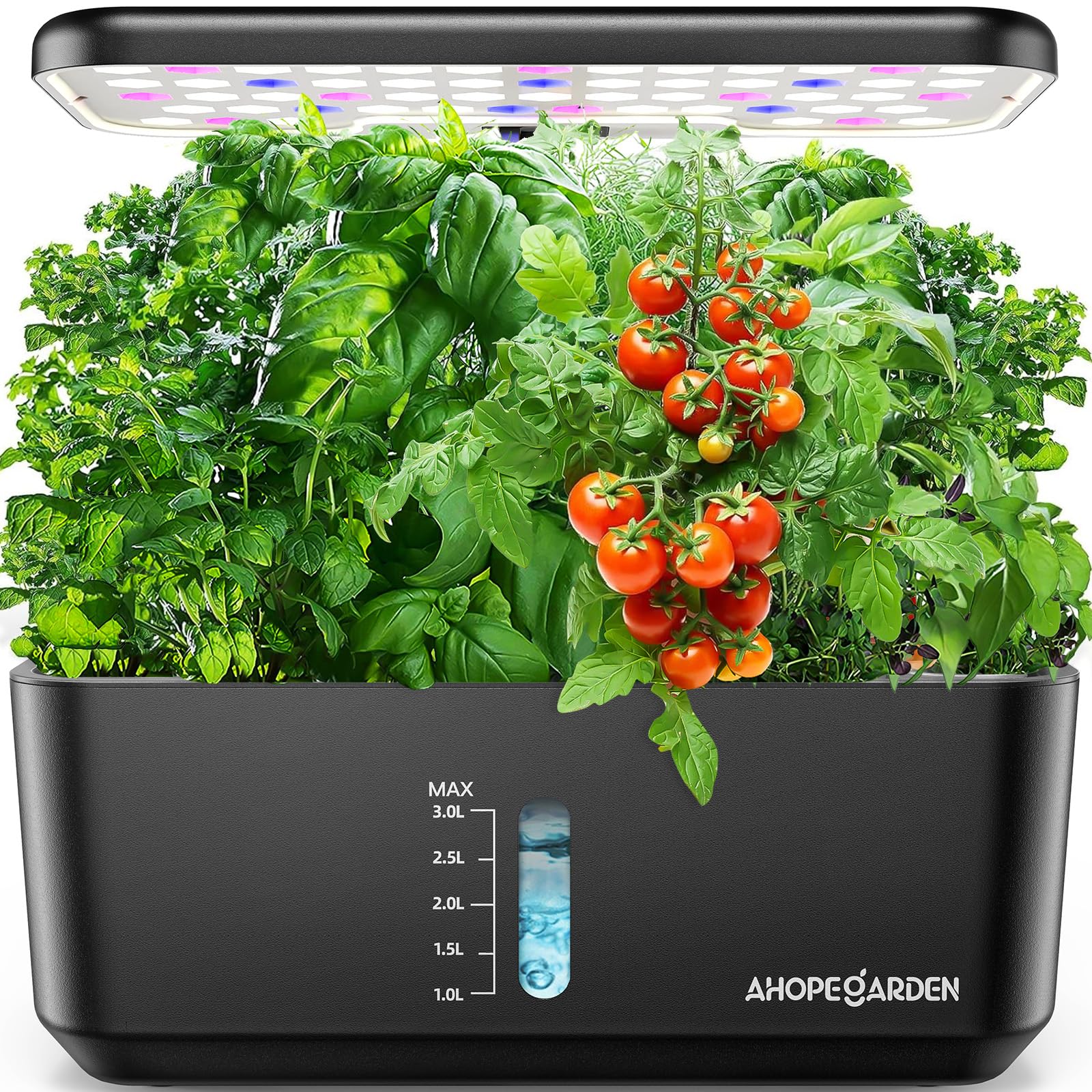

The spectrum is the second reason it works for citrus. Citrus species evolved in subtropical climates with strong red-dominant light. The HLG 100 V2 delivers a 3000K-equivalent white spectrum with supplemental 660 nm, which closely mimics the late-afternoon Mediterranean light a Meyer lemon would see in November in Sicily. That spectrum encourages flower retention rather than aggressive vegetative stretch — exactly what you want on a bonsai you are trying to keep compact.

Sizing the Fixture to a Mudroom Footprint
One HLG 100 V2 reliably covers a 2 ft x 2 ft maintenance footprint at roughly 18-24 inches above the canopy. That is enough room for one large citrus bonsai (12-16 inch pot) or two to three smaller specimens arranged in a triangle. If your mudroom has a bench or boot tray, mount the fixture from a wall-mounted swing arm or a ceiling hook — a 2 ft x 2 ft tent is unnecessary because the cool ambient air does the work a tent normally does.
PPFD at 20 inches sits around 400-450 µmol/m²/s in the center and tapers to roughly 200 µmol/m²/s at the edges of a 2 x 2. For overwintering, that is generous. You actually want to run citrus closer to 150-300 µmol/m²/s in winter to avoid pushing soft growth that the cool root zone cannot support. Hang the HLG 100 V2 a little higher — around 26-30 inches — or dim it to 60-70 percent and you land in the perfect overwintering range.
Photoperiod, Dimming, and Daily Light Integral
Citrus prefers a 10-12 hour photoperiod in winter. Anything longer and you risk triggering soft flush growth before the roots are warm enough to support it. The HLG 100 V2 ships with a built-in dimmer dial on the driver, which is genuinely useful in an overwintering scenario. Start at 50 percent for the first week to let the tree acclimate after the move indoors, then ramp to 70-80 percent for the rest of winter. Target a daily light integral (DLI) of 10-14 mol/m²/day. A cheap quantum meter or a phone-based PPFD app is enough to confirm you are in the zone.
A simple analog timer is fine. If you have a smart plug, set on at 7 a.m. and off at 6 p.m. through January, then extend by 15 minutes per week starting in mid-February to ease the tree into spring.
Temperature and Humidity in a Mudroom
The HLG 100 V2 will not heat your mudroom. That is by design, but it does mean you need to manage cold separately. Citrus bonsai tolerate root-zone temperatures down to about 40 F before they start aborting fruit and dropping leaves. If your mudroom dips below that, set the pot on a seedling heat mat with a thermostat probe targeting 55 F at the root ball. Keep a small thermometer-hygrometer near the canopy.
Mudrooms tend to run dry in winter because the back door opens to outdoor air. Aim for 45-55 percent relative humidity around the canopy. A pebble tray under the pot, or a small ultrasonic humidifier on a humidistat, is usually sufficient. For a deeper dive on managing this in low-traffic rooms, see our guide to maintaining humidity in indoor gardens.
Comparing the HLG 100 V2 to Other Common Overwintering Light Choices
| Light Option | Wattage | Spectrum Fit for Citrus | Cold Room Friendly? | Best Use |
|---|---|---|---|---|
| HLG 100 V2 Quantum Board | 95 W | Excellent (3000K + 660 nm) | Yes — passive, silent, no heat issues | 1-3 citrus bonsai in a mudroom, sunroom, or alcove |
| Generic blurple 1000W LED | 100-150 W actual | Poor — too much blue, weak red | OK | Seedlings, not flowering citrus |
| 4 ft T5 HO Fluorescent | 216 W | Mediocre — lacks deep red | Excellent | Wide, low canopy of houseplants |
| Closed-body 150 W LED with fan | 150 W | Good | Fan noise in living spaces; cold-tolerant | Closets, basements, garages |
| South-facing window only | 0 W | Variable — short winter days | Yes | Mild climates only |
The HLG 100 V2 is the only fixture in that list designed from the ground up for horticulture, runs passively cool, and produces the right spectrum without overpowering a small bonsai. The closest competitor in real-world overwintering performance is a high-end T5 fixture, but T5s consume more than double the wattage for similar usable light and lack the 660 nm red that helps citrus retain flowers.
Setup Walkthrough for a Mudroom hlg 100 v2 Citrus Bonsai Overwintering Mudroom Build
Here is the order I follow when setting up an hlg 100 v2 citrus bonsai overwintering mudroom from scratch in October:
- Measure ceiling height. You need at least 36 inches of clearance above the tallest bonsai for the fixture plus hanging hardware.
- Install a heavy-duty ceiling hook into a joist, or use a wall-mounted swing arm rated for at least 15 lbs.
- Hang the HLG 100 V2 with adjustable rope ratchets so you can raise it as the tree pushes spring growth.
- Place a waterproof boot tray under the pot to catch drainage.
- Add a thermostat-controlled seedling heat mat under the tray if the floor regularly drops below 50 F.
- Plug the fixture into a mechanical or smart timer set to 11 hours on, 13 hours off.
- Hang a small digital thermometer-hygrometer at canopy height.
- Acclimate the tree by running the dimmer at 40 percent for the first 3-4 days, then ramp to 70 percent over the following week.
Watering and Feeding Citrus Bonsai Under the HLG 100 V2
Cold roots drink slowly. Under an HLG 100 V2 in a 50 F mudroom, you may water as little as once every 10-14 days. The most common mistake overwintering growers make is watering on a calendar instead of by feel. Insert a wooden chopstick into the root ball. If it comes out damp, wait. If dry to a depth of 1.5 inches, water thoroughly until it drains from the bottom.
Feed at quarter strength every third watering with a citrus-specific liquid fertilizer. Skip foliar feeding entirely — cool leaves are slow to absorb and prone to fungal spotting. For a broader discussion of indoor feeding programs in winter, see best indoor plant nutrients 2026.
Pests to Watch for in a Mudroom Overwintering Setup
Cool, dimly lit overwintering rooms are a magnet for scale, mealybug, and spider mites — especially as central heating eventually kicks in during the deepest weeks of winter. Inspect leaf undersides weekly with a 10x loupe. Catching an infestation early under an HLG 100 V2 is straightforward because the bright canopy light makes pests easy to spot. For treatment strategies, our guide on combating common indoor garden pests covers the safe options for edible citrus.
Choosing Between the HLG 100 V2 3000K and 4000K Versions
HLG 100 V2 3000K (Recommended for Citrus Bonsai)
The 3000K version is warmer, redder, and tuned more toward bloom and fruit retention. For Meyer lemons, calamondin, kumquat, and other overwintering citrus that flower in late winter, this is the version you want. It produces a slightly amber visual cast, which is unobtrusive in a living mudroom.
HLG 100 V2 4000K (Better for Mixed Houseplants)
The 4000K version leans cooler and pushes more vegetative growth. It is a fine choice if your mudroom holds a mixed collection — herbs, a fiddle-leaf fig, plus a citrus or two — but for citrus alone, the 3000K is the more horticulturally appropriate choice.
Other Light Options Worth Considering
If the HLG 100 V2 is out of stock or out of budget, two adjacent picks can work. For a broader comparison, see our roundup of the top LED grow lights for 2026 and our deep dive on choosing the right indoor grow lights.
Frequently Asked Questions
How many hours per day should I run the HLG 100 V2 over a citrus bonsai in winter?
Run the fixture for 10-12 hours per day from November through January, then extend by 15 minutes per week starting mid-February until you reach 14 hours by late March. The shorter winter photoperiod prevents soft growth that cool roots cannot support.
Can the HLG 100 V2 keep a Meyer lemon flowering in an unheated mudroom?
Yes, provided the root zone stays above 50 F and humidity stays in the 45-55 percent range. The 3000K spectrum with 660 nm red specifically supports flower retention, and many growers report a steady trickle of blossoms from January through March under this fixture.
Is the HLG 100 V2 too bright for a small citrus bonsai?
At full power and 18 inches above the canopy, yes — you can push leaf bleaching on a small tree. Hang it 24-30 inches up or dim the driver to 60-70 percent. The built-in dimmer dial makes this trivial, and a small bonsai will thrive in the 200-300 PPFD range for overwintering.
Do I need a tent or reflective walls in my mudroom?
No. Mudrooms are typically painted off-white or light gray, which reflects enough light. The cool ambient air is actually beneficial because it offsets any residual heat from the fixture and keeps citrus leaves from transpiring excessively.
What temperature is too cold for citrus bonsai under the HLG 100 V2?
Air temperatures below 38 F at the canopy or root-zone temperatures below 40 F will trigger leaf drop and fruit abortion in most citrus species. The HLG 100 V2 does not add meaningful heat, so you must manage cold separately with a thermostat-controlled heat mat or a small radiant heater on a low-temperature trigger.
Will the HLG 100 V2 raise my electric bill noticeably?
At 95 watts running 11 hours a day, the fixture uses roughly 1 kWh per day, or about $4-5 per month at typical US residential rates. That is dramatically less than the equivalent T5 fluorescent setup and a small fraction of what a metal halide would draw.
Can I use the HLG 100 V2 to start citrus seedlings or graft new bonsai material in the same mudroom?
Yes, but raise the fixture to 30-36 inches above seedling trays and dim to 40 percent. Seedlings need lower intensity for the first 2-3 weeks. Once they harden off, you can lower the fixture or move them under the main canopy area.
Final Thoughts
A properly dialed hlg 100 v2 citrus bonsai overwintering mudroom setup is one of the most forgiving and energy-efficient indoor overwintering configurations you can build. The fixture is silent, passively cooled, and tuned to a spectrum that keeps citrus happy through the darkest months. Pair it with a thermostat-controlled heat mat, a small humidifier, and a mechanical timer, and your Meyer lemon or calamondin can flower and even ripen fruit while snow piles up against the mudroom door. When spring arrives, a slow ramp of the dimmer and photoperiod will hand the tree off to outdoor sun without missing a beat. For complementary reading on light selection, our tips on buying grow lights for indoor plants covers what to look for beyond wattage and spectrum claims.
Key Takeaways
- Choosing the right hlg 100 v2 citrus bonsai overwintering mudroom means matching capacity and output ports to your actual devices
- Always check actual watt-hours (Wh), not just watts — runtime depends on Wh, not peak output
- Also covers: citrus bonsai grow light winter
- Also covers: hlg 100 quantum board bonsai
- Also covers: overwintering meyer lemon indoor light
- Compare price-per-Wh across models to find the best value for your budget