If you are searching for a turnkey way to grow restaurant-grade basil at scale from a spare bedroom, garage, or basement, the Hydrofarm Megagarden ebb and flow for home basil micro-business is one of the most proven entry points into small-scale commercial herb production. The Megagarden is a 2 ft x 2 ft flood-and-drain (ebb and flow) tray paired with a reservoir, pump, and timer that lets a single hobbyist consistently push out 6 to 10 pounds of fresh-cut Genovese or Italian Large Leaf basil every two to three weeks once the system is dialed in. That kind of output is enough to supply two or three local pizzerias, a farmers-market stand, or a steady stream of bagged retail orders without ever stepping outside.
This guide walks through why ebb-and-flow specifically suits basil, how to size the Megagarden for a true micro-business, the nutrient and lighting setup that pairs with it, and the realistic economics of running the Hydrofarm Megagarden ebb and flow for home basil micro-business model. By the end you will know whether this is the right rig for your goals or whether you should step up to a multi-tray flood table.
Why Ebb and Flow Beats Other Hydroponic Methods for Basil
Basil is a thirsty, oxygen-loving herb with a brittle root system that hates sitting in stagnant water. Deep water culture (DWC) works but requires aggressive aeration and is prone to pythium root rot once temperatures climb past 72°F. Nutrient film technique (NFT) channels can clog with the dense lateral roots basil throws once it hits week three. Drip systems demand fussy emitter cleaning and uneven media saturation.
Ebb and flow splits the difference. The tray floods for 10 to 15 minutes every two to four hours, soaking the clay pebbles or rockwool, then drains back to the reservoir. That drain cycle pulls fresh oxygen into the root zone, prevents stagnation, and forgives a wider pH and EC swing than recirculating systems with constant submersion. For a beginner running a side hustle, that forgiveness translates directly to fewer crop losses. If you want a broader comparison framework before committing, our NFT vs DWC breakdown covers the trade-offs you skip with a flood table.
What the Hydrofarm Megagarden Actually Includes
The stock Megagarden kit ships with a 2 ft x 2 ft black ABS flood tray, a fitted reservoir lid, a 17-gallon reservoir tank, a submersible fountain pump (around 158 GPH), a fill/drain fitting set, and a basic mechanical timer. Hydrofarm also includes a starter bag of grow rocks (expanded clay pebbles), though most serious growers replace these with a fresh bag of fully rinsed Hydroton or a 50/50 coco-perlite blend depending on humidity.
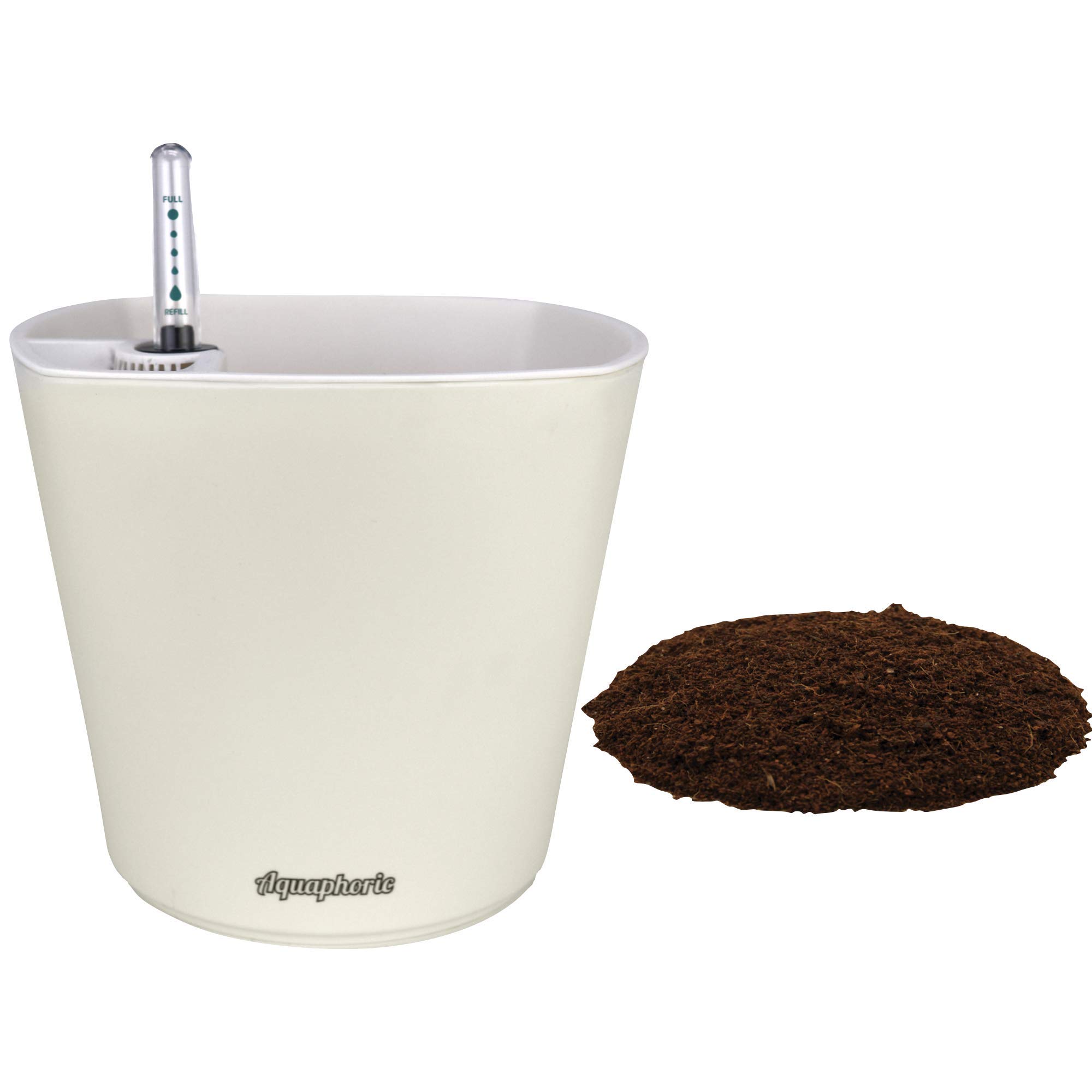
The footprint is the magic. Two square feet under a single 200W LED fits 15 to 18 mature basil plants spaced roughly four to five inches apart, and each plant can yield 4 to 8 oz of cut leaf per harvest with proper topping. Three back-to-back harvest cycles per plant before you reset means a single Megagarden can pump out 5 to 7 pounds of trimmed basil per month from one tray.
Sizing Your Basil Micro-Business
Before you buy anything, do the math backwards from your sales target. Fresh basil moves at the wholesale level for $14 to $22 per pound, and at farmers markets in 1 oz clamshells it can hit $32 per pound equivalent. A realistic side income target is $400 to $900 per month gross, which means you need to deliver 25 to 50 pounds per month consistently.
One Megagarden tray handles roughly 6 pounds per month. To hit a serious micro-business volume, plan on three to six trays staggered on rolling two-week harvest cycles. Six trays fit comfortably in a 4 ft x 8 ft room with aisle space, draw about 1,200W in LED lighting, and consume around $45 to $65 per month in electricity in most U.S. markets. The Hydrofarm Megagarden ebb and flow for home basil micro-business setup scales linearly, which is exactly what you want for predictable customer fulfillment.
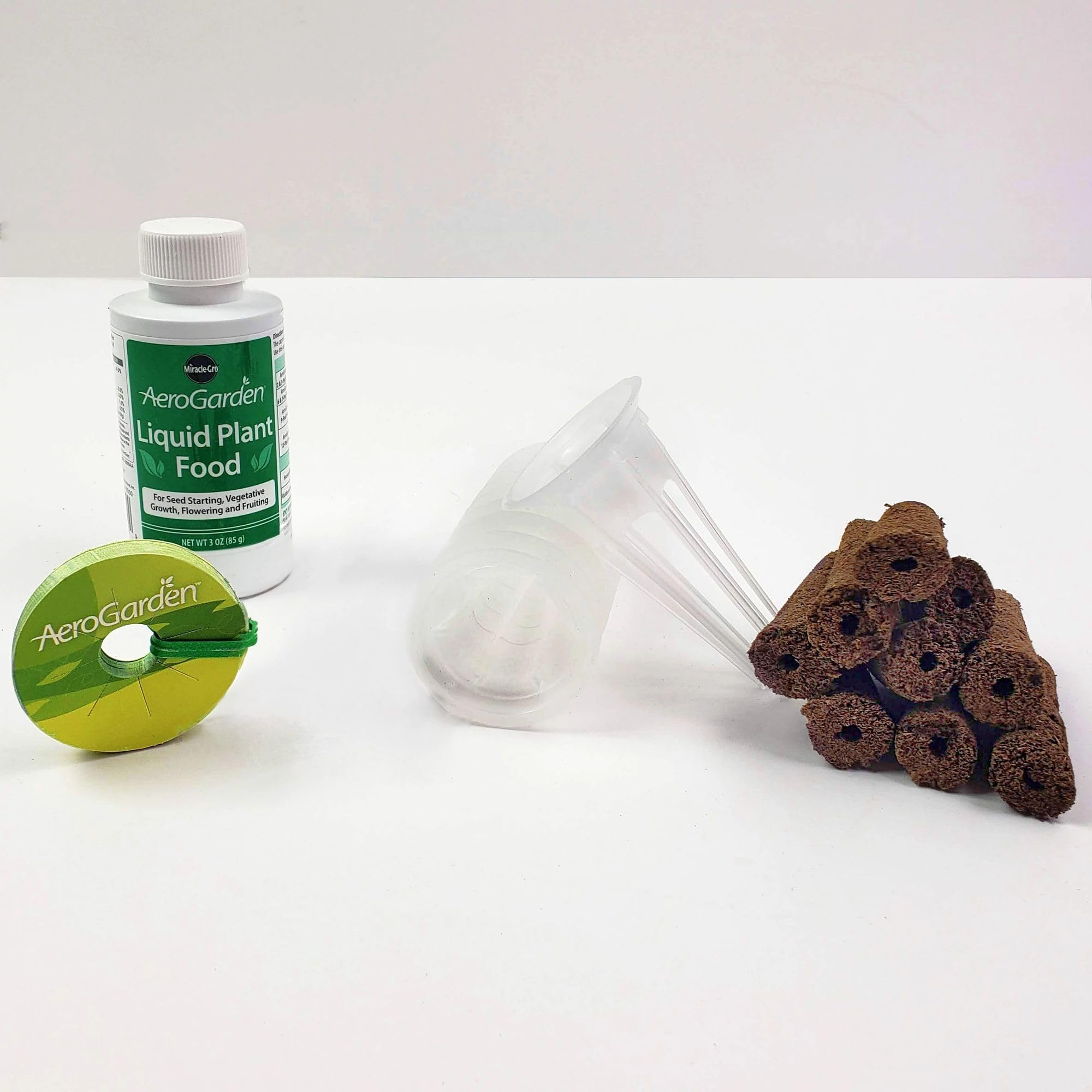
Nutrient Program for Commercial-Quality Basil
Basil grown for restaurants needs intense aroma, deep green color, and rigid stems that survive packaging. That comes from a two-part hydroponic nutrient run at moderate EC, never the all-in-one bottles marketed to houseplant growers.
Target ranges for the flood reservoir:
- EC: 1.4 to 1.8 mS/cm in vegetative phase, never push past 2.0
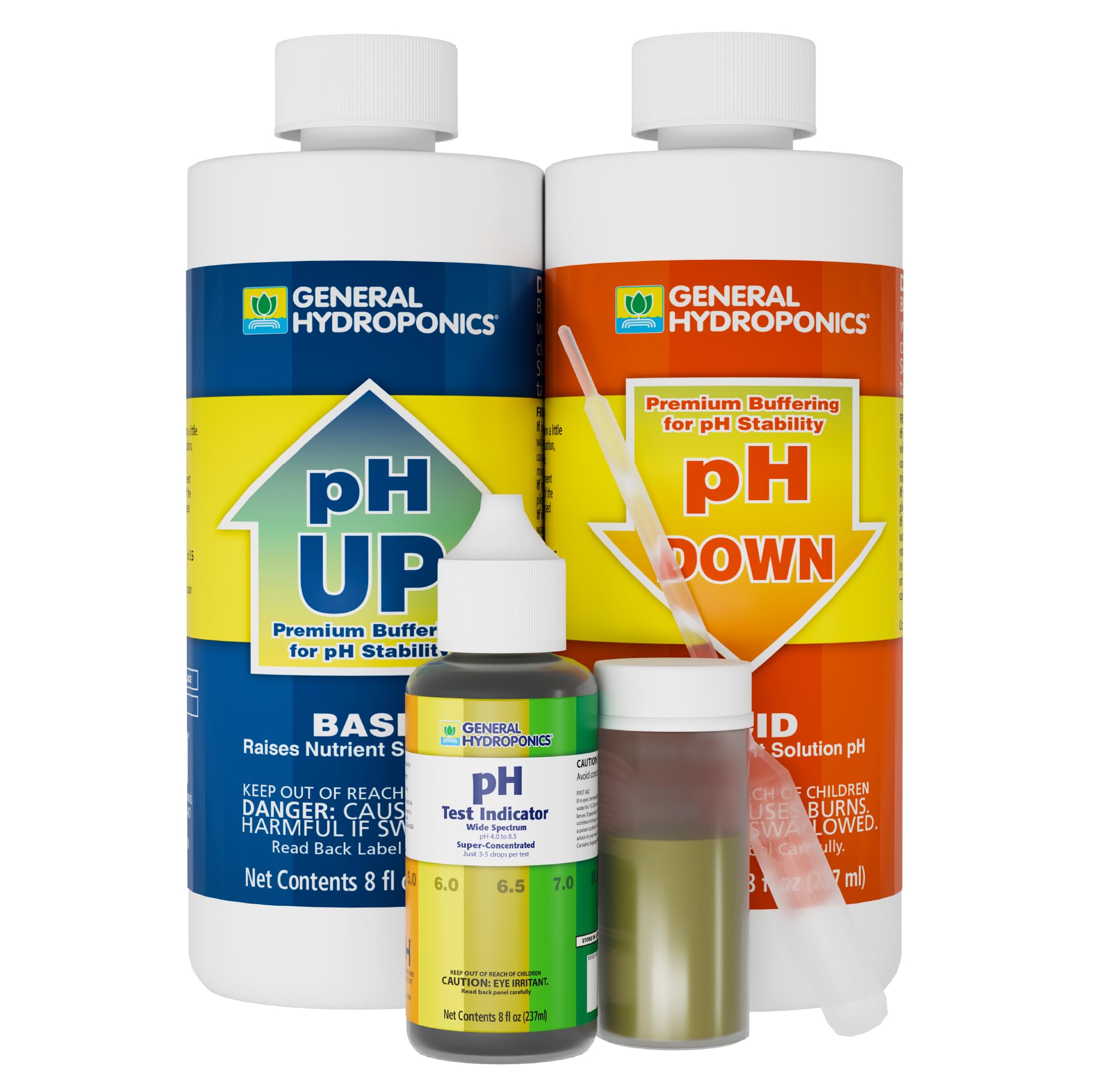
- pH: 5.6 to 6.2, ideally drifting between 5.8 and 6.0
- Reservoir temp: 65°F to 70°F, critical for root health
- Top-off cycle: Full reservoir change every 10 to 14 days
A magnesium boost mid-cycle (Epsom salt at 1/4 tsp per gallon) prevents the interveinal yellowing that shows up around week four on heavy producers. For a deeper dive into formulation chemistry, the hydroponic nutrient solutions guide walks through which two-part lines hold up under high-frequency flooding.
Lighting the Megagarden for Year-Round Yields
A single 200W to 240W full-spectrum LED fixture mounted 18 to 24 inches above the canopy gives you the photosynthetic photon flux density (PPFD) basil wants — roughly 400 to 600 µmol/m²/s at canopy. Run an 18-hour photoperiod throughout vegetative growth. Basil bolts under longer days only if temperatures spike above 82°F, so cooler grow rooms can run 20-hour days for faster turnover.
Skip the cheap blurple LEDs sold for $80 on marketplaces. A reputable QB-style board or bar fixture with Samsung LM301 diodes pays for itself in the first quarter through faster cycles and tighter internode spacing. The herb you cut needs to look like the bunches sold at Whole Foods, not stringy windowsill basil.
Step-by-Step Crop Cycle
Week 0: Germination
Soak 1.5-inch rockwool cubes in pH 5.5 water for one hour. Drop two basil seeds per cube, cover with a humidity dome, and hold at 75°F to 80°F. Germination hits 80%+ in three to five days.
Week 1 to 2: Seedling Tray
Run the dome under low-intensity light for 7 to 10 days until true leaves emerge. Thin to one seedling per cube once the second set of true leaves shows.
Week 2: Transplant to Megagarden
Nestle each rockwool cube into a 3-inch net pot or directly into Hydroton, set the timer for four flood cycles per day at 12 minutes each, and start nutrients at 50% strength (EC 0.8).
Week 3 to 4: Vegetative Surge
Ramp nutrients to full EC 1.6. Top each plant above the third node to force lateral branching. Increase flood frequency to six cycles per day as the canopy fills.
Week 5 to 7: Harvest Window
Begin cutting whole stems from the top down, never stripping individual leaves. Each plant supports two to three full cuts before flavor degrades and you reset with new seedlings staged in a propagation tray.
Realistic Economics
Here is what a three-tray Megagarden micro-business looks like on the books for the first year:
| Line Item | Cost or Revenue | Notes |
|---|---|---|
| 3x Megagarden kits | $540 to $660 | One-time hardware |
| 3x 200W LED fixtures | $720 to $1,050 | Quality boards, 5-year lifespan |
| Nutrients (annual) | $140 to $200 | Two-part veg formula |
| Seeds, rockwool, pH solutions | $110 to $160 | Consumables |
| Electricity (annual) | $420 to $620 | ~1,800 kWh at $0.14 to $0.18 |
| Gross revenue (annual) | $3,200 to $5,600 | ~18 lb/month at $15 to $20/lb wholesale |
| Net year-one profit | $1,100 to $2,900 | Year-two profit climbs as hardware amortizes |
Payback on the initial hardware investment lands between months six and nine for most operators selling to local restaurants or CSA boxes. The Hydrofarm Megagarden ebb and flow for home basil micro-business model works because basil commands premium pricing year-round in northern climates where field production stops in October.
Common Pitfalls to Avoid
The number one killer of home basil businesses is not bad nutrients or weak lights — it is irregular pump cycles. Set your timer mechanically (not on smart-home apps that can drop offline), and physically inspect the flood depth weekly. A pump that fails for 36 hours during a heat wave will wipe out a tray.
Reservoir temperature is the second silent killer. Once your nutrient solution climbs above 74°F, dissolved oxygen plummets and pythium colonizes roots within days. A small aquarium chiller or simply moving the reservoir to a basement corner solves this. Don't try to insulate your way out of it with foam wraps; you need active cooling in summer.
Finally, pest pressure climbs the moment you scale to multiple trays. Aphids and fungus gnats find indoor basil fast. Yellow sticky cards plus monthly neem applications during vegetative phase keep populations from establishing. Our guide on combating common indoor garden pests covers the integrated pest management routines that scale with you.
When to Upgrade Past the Megagarden
The Megagarden tops out around 6 trays for a single-operator side business. If you cross $1,000 per month in basil sales for three consecutive months and your customers want more, the next step is a full 4 ft x 4 ft commercial flood table with a 40-gallon reservoir, which roughly quadruples per-square-foot output without quadrupling labor. At that point you are running a real cottage food business and need to register with your state department of agriculture, but the Megagarden remains the perfect testing ground to validate demand before scaling.
Frequently Asked Questions
How many basil plants can I grow in a single Hydrofarm Megagarden tray?
A 2 ft x 2 ft Megagarden tray comfortably holds 15 to 18 mature basil plants on five-inch centers using 3-inch net pots. You can cram in 25 plants if you harvest young at the microgreen-to-small-cut stage, but for full-stem commercial bunches stay at 16 plants for the best airflow and yield per plant.
What is the difference between ebb and flow and drip irrigation for basil?
Ebb and flow floods the entire root zone simultaneously then drains, while drip irrigation feeds each plant individually through emitters. Flood-and-drain delivers more oxygen per cycle and avoids clogged emitters, which makes it lower-maintenance for dense herb plantings. Our drip irrigation comparison guide covers the trade-offs in more detail.
Can I run multiple Hydrofarm Megagarden trays on one reservoir?
Yes, but only if you plumb them in parallel with equal-length tubing and use a larger external reservoir (20+ gallons per tray) plus a higher-capacity pump in the 350 to 500 GPH range. Most growers find it easier to keep each Megagarden on its own dedicated reservoir, which isolates nutrient or pH problems to a single tray and makes staggered harvests simpler to manage.
How often should I change the nutrient solution in the Megagarden reservoir?
Drain and refill the full reservoir every 10 to 14 days during active growth. Between full changes, top off daily with fresh pH-adjusted water to replace transpiration losses, and check EC every other day. Letting the solution ride longer than two weeks causes nutrient imbalances that show up as leaf tip burn or interveinal chlorosis in basil.
Do I need a chiller for the Hydrofarm Megagarden in summer?
If your grow space stays under 72°F year-round, you can skip a chiller. Most home setups run warmer than that in July and August, so a $130 to $200 inline aquarium chiller sized for 20 to 40 gallons is the single best ROI accessory you can add. Keeping reservoir temps below 70°F practically eliminates root disease and is the difference between a hobby and a reliable income stream.
What basil varieties produce the highest yield in a Megagarden hydroponic system?
Genovese basil remains the gold standard for restaurant and pesto sales because chefs recognize it on sight. Italian Large Leaf produces 15 to 20% more biomass per cycle but has a slightly milder aroma. For premium farmers-market sales, consider adding one tray of Thai basil or purple Opal varieties — these command higher per-ounce pricing and differentiate you from grocery-store competition.
How does the Megagarden compare to countertop systems like AeroGarden for commercial growing?
Countertop units like the AeroGarden are designed for 6 to 12 plants in a kitchen and cannot produce the volume needed for paying customers — even one Megagarden out-produces four AeroGardens at a fraction of the per-plant cost. For context on smaller systems, see our comparison of smart indoor garden kits, which clarifies where countertop systems make sense and where a true flood table takes over.
The Hydrofarm Megagarden is not glamorous, but it is the most boringly reliable on-ramp into a basil micro-business that exists in 2026. Set it up correctly, harvest on schedule, and treat your customers like the small business owners they are, and you will have the equipment paid off before the second harvest cycle wraps.
Key Takeaways
- Choosing the right Hydrofarm Megagarden ebb and flow for home basil micro-business means matching capacity and output ports to your actual devices
- Always check actual watt-hours (Wh), not just watts — runtime depends on Wh, not peak output
- Also covers: Megagarden basil yield
- Also covers: ebb and flow basil home business
- Also covers: Hydrofarm Megagarden review basil
- Compare price-per-Wh across models to find the best value for your budget