If you are running a betta tank that doubles as a hydroponic reservoir, hydroguard bacillus for betta keepers preventing pythium is the search you land on the moment you spot the first slimy brown root tip. The short answer: Hydroguard's active strain Bacillus amyloliquefaciens (often listed as D747) is one of the few beneficial microbe products that is broadly considered safe for ornamental fish at the recommended hydroponic dose, and it directly outcompetes Pythium oomycetes that cause root rot. It is not a fish medication, it is not a cure-all, and it does not replace good husbandry — but it is the closest thing the home betta-aquaponics crowd has to a reliable biological shield.
This 2026 buyer's guide is written for the very specific keeper who has a planted betta tank, a passive or low-flow grow site sitting on top of it (pothos, lucky bamboo, basil, lettuce, peace lily), and a creeping suspicion that pythium is starting to colonize the root zone. We will cover what Hydroguard actually contains, why it is the strain of choice when fish are in the loop, dosing math for a 5- to 20-gallon betta reservoir, what to do during outbreaks, and what to look for on the label so you do not accidentally buy a copycat product that uses a different bacillus species.
When shopping for hydroguard bacillus for betta keepers preventing pythium, it pays to compare specs, capacity, and real-world runtime before committing.
Why betta keepers get pythium in the first place
Pythium is an opportunist. It does not need a sick plant to take hold — it needs warm, stagnant, low-oxygen water and any organic debris it can chew on. A betta tank checks several of those boxes by default. Bettas thrive at 78–82°F, which is also the upper comfort zone for Pythium aphanidermatum, the most aggressive species in hydroponic systems. Add a sponge filter that produces gentle surface agitation rather than vigorous dissolved oxygen, plus a layer of fish waste and uneaten pellets settling near the root mass, and you have built a small pythium incubator.
The plants growing through the lid — whether on a floating raft, a wick pot, or an over-tank pothos basket — have their roots dangling in this warm, organic-rich water. Healthy roots release exudates that beneficial microbes feed on. If beneficials are absent, pythium fills the niche. The first sign is usually a translucent brown tip on a previously white root, often with a slippery feel and a faintly earthy smell that turns sour as the infection spreads upward.
What Hydroguard actually is (and why the strain matters)
Hydroguard is a liquid suspension of Bacillus amyloliquefaciens, primarily strain D747. This is a Gram-positive, spore-forming soil bacterium that has been studied for decades as a biological control agent against oomycetes and several fungal pathogens. The mechanism is twofold: the bacillus colonizes root surfaces faster than pythium zoospores can attach, and it produces lipopeptides (iturins, fengycins, surfactins) that disrupt oomycete cell membranes.
For betta keepers, the critical detail is that B. amyloliquefaciens at hydroponic dilution rates has not been shown to harm ornamental freshwater fish. It is also not an antibiotic, so it will not nuke the nitrifying bacteria in your sponge filter or biomedia — an important distinction from copper-based or peroxide-based root rot treatments, which are absolutely fish-killers. The reason hydroguard bacillus for betta keepers preventing pythium has become a go-to phrase in aquaponics forums is exactly this combination: pathogen suppression without collateral damage to fish or the nitrogen cycle.
Be careful with knock-off "root inoculants" that list a generic "beneficial bacteria blend." Some include Bacillus subtilis (fine but less studied against pythium), some include Bacillus thuringiensis (which produces insecticidal crystal proteins — not what you want anywhere near invertebrates like shrimp or snails), and some are mostly seaweed extract with a token bacillus count. Read the label for the species and the CFU/mL count.
Dosing math for a betta reservoir
The label dose for hydroponics is typically 2 mL per gallon, weekly. That is a horticultural dose calibrated for sterile reservoirs with no fish. When fish are in the loop, the conventional wisdom in the betta-aquaponics community is to start at half that — 1 mL per gallon — and observe the fish for 48 hours before considering a stronger dose. Bettas are sensitive to sudden changes in turbidity and dissolved organics, and any liquid biological will briefly cloud the water as the bacillus distributes.
- 5-gallon betta tank with a raft of basil: 2.5 mL at first dose, then 5 mL weekly if no stress signs.
- 10-gallon community-style betta tank with pothos and lucky bamboo: 5 mL at first dose, 10 mL weekly maintenance.
- 20-gallon long with a lettuce raft: 10 mL at first dose, 20 mL weekly maintenance, split into two half-doses 12 hours apart to minimize cloudiness.
Add the bacillus near the filter intake, never directly onto the fish. The flow will distribute it through the water column within an hour. Do not pre-mix it with hydrogen peroxide, chloramine-treated tap water, or any UV sterilizer running in the same loop — all three will kill the bacillus before it can colonize roots. If you have an inline UV, turn it off for at least 48 hours after dosing.
What to look for in a Hydroguard product in 2026
Several brands now sell B. amyloliquefaciens D747 in liquid form, and the original Botanicare Hydroguard remains the reference product. When you are shopping, check three things on the label:
- Species and strain. "Bacillus amyloliquefaciens" should be printed in plain text. D747 is the strain you want, though other D-series strains have similar activity.
- CFU count. A genuine product will list colony-forming units per milliliter (commonly 1 × 10⁷ CFU/mL or higher). No CFU count usually means a very low bacterial load.
- Stabilizer base. Avoid products that use a high-percentage alcohol or a strong surfactant as the carrier, which can be irritating to fish gills even at dilution.
Pricing in 2026 sits roughly at $18–$25 for a quart, which will treat a 10-gallon betta reservoir weekly for over a year. There is no need to buy gallon jugs for a single tank — the bacillus has a shelf life of about 18 months unopened, and once you open it the count begins dropping. A quart is the right SKU for the betta-keeper use case.
Reservoir hygiene that makes the bacillus actually work
Hydroguard is not a substitute for cleaning. The bacillus colonizes root surfaces, but it cannot out-eat a reservoir full of decaying fish food and detritus. Pair every dose with these baseline practices, which are covered in more depth in our hydroponic system maintenance guide:
- Surface skim and substrate vacuum weekly. Remove uneaten pellets within five minutes of feeding. Bettas often spit out food, and that pellet will rot in the root zone within 24 hours.
- Keep dissolved oxygen above 6 mg/L. Pythium hates oxygen. A small air stone running through the night, even if your filter provides surface agitation, will materially reduce risk. Sizing it correctly matters — see our notes on air pump sizing for small reservoirs which translates directly to betta-aquaponic setups.
- Hold temperature at the low end of the betta range. 78°F is a reasonable compromise between fish comfort and pythium suppression. Anything above 82°F dramatically accelerates oomycete growth.
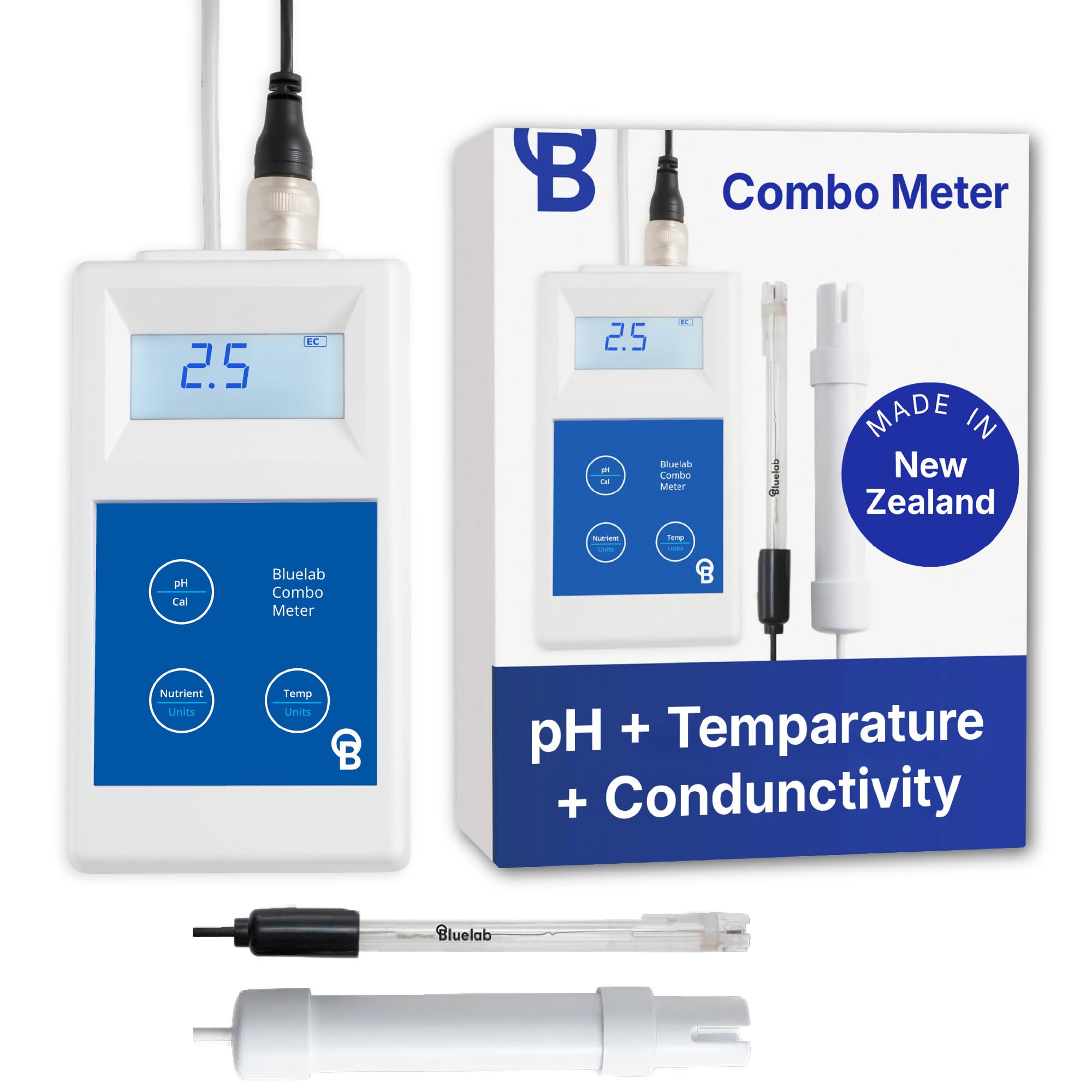
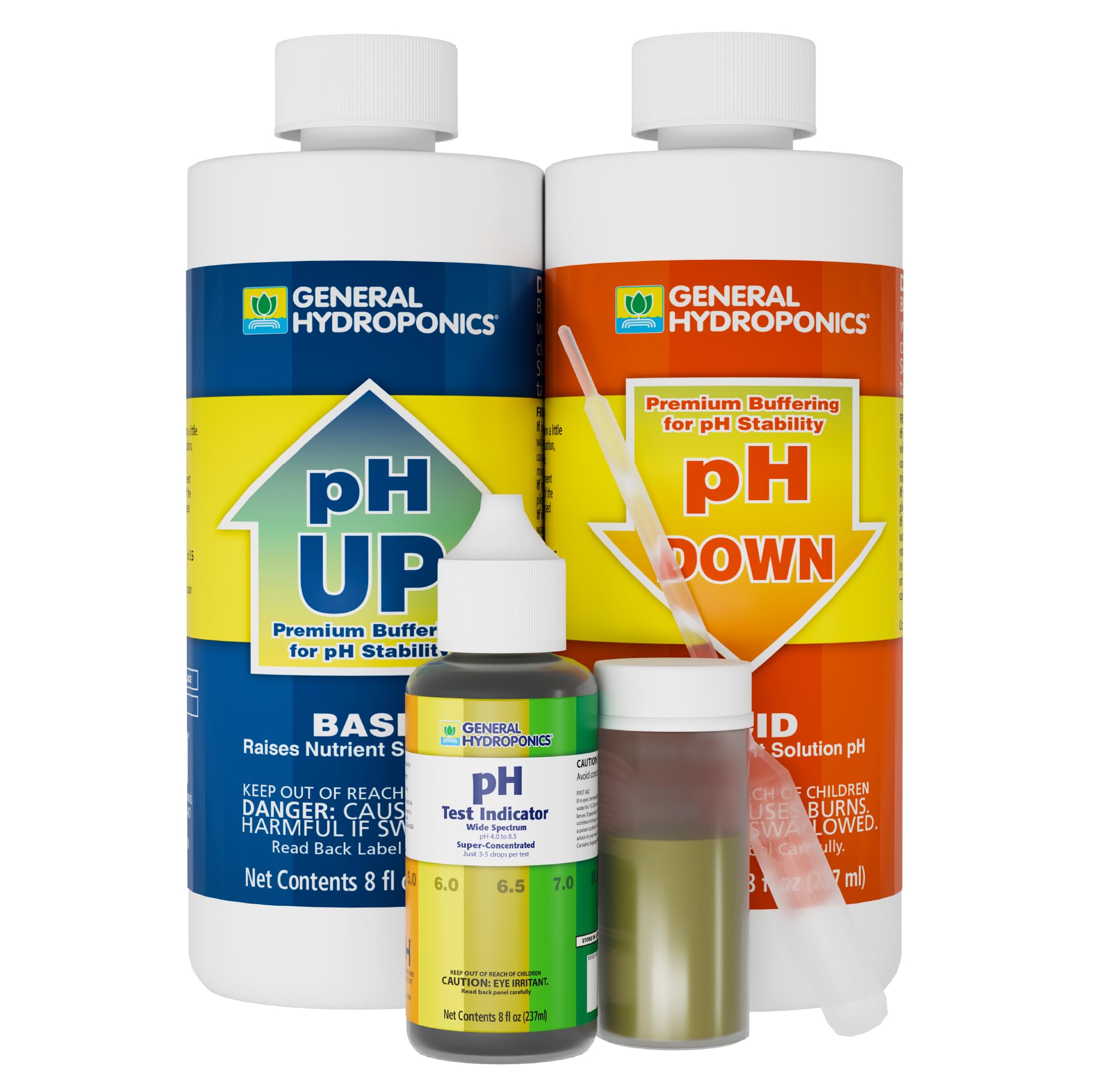
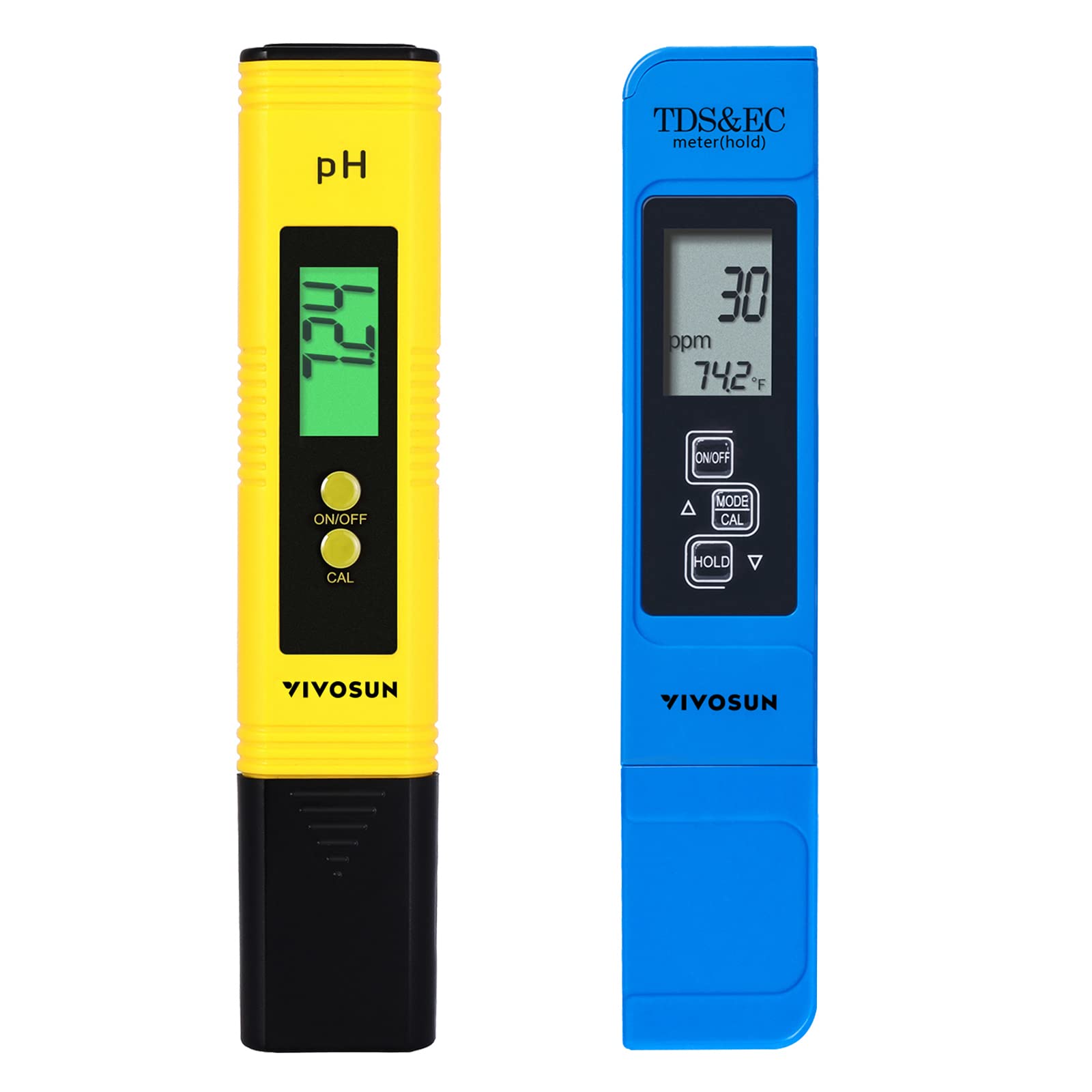
- Monitor pH and EC. Fish-driven reservoirs drift faster than sterile ones. A simple combo pen lets you catch swings before they stress either the plants or the fish — our roundup of 2026 pH/EC meters covers models that handle low-EC fish water without false readings.
When Hydroguard alone is not enough
If you are already in an active pythium outbreak — brown mushy roots, sour smell, plants wilting despite a full reservoir — bacillus inoculation is a defensive move that will not reverse damage quickly enough. In that scenario, the playbook is:
- Remove the affected plant from the tank entirely. Do not try to save it in place.
- Trim every brown root back to clean white tissue with sterilized scissors.
- Rinse the root mass in dechlorinated water (never tap water with chloramine onto exposed roots).
- Re-establish the plant in a separate bucket of fresh nutrient solution dosed with Hydroguard at the full horticultural rate (2 mL/gal), away from the fish.
- In the betta tank, do a 30% water change, vacuum the substrate, and dose the maintenance rate of Hydroguard. Do not raise the dose hoping to nuke the pythium — you cannot, and you will only cloud the water.
- Quarantine the recovering plant for 10–14 days before returning it to the betta reservoir.
This is also a good time to revisit whether your plant choices are appropriate for a fish-shared reservoir. Pothos, lucky bamboo, peace lily, and most leafy greens tolerate the low-nutrient, fish-driven water well. Tomatoes, peppers, and heavy-feeding fruiting crops do not, and they tend to develop root problems first because they outgrow the available nitrate. For background on matching crops to system style, the nutrient solutions guide on this site is a useful primer even when fish are the nitrate source.
Top pick for betta-aquaponics use in 2026
Botanicare Hydroguard (quart size)
This is the original and still the benchmark. Clear labeling of Bacillus amyloliquefaciens, a stable CFU count, and a carrier that has been used in fish-shared reservoirs for years without widely reported gill irritation. The quart bottle is the correct size for any betta tank up to 20 gallons — a gallon jug will expire before a single keeper can use it. Shake well, dose into the filter intake, and resist the urge to overdose. Available at most hydroponics retailers and on Amazon for around $20 in 2026.
What to skip
Avoid any "root rot fix" product that lists hydrogen peroxide, copper sulfate, Physan 20, or quaternary ammonium compounds as an active ingredient if fish are in your reservoir. All of them are effective against pythium and all of them are acutely toxic to bettas, shrimp, and snails at the doses required to kill the pathogen. They are appropriate for sterile DWC buckets, not for aquaponic setups.
Frequently Asked Questions
Is Hydroguard safe for bettas at the labeled hydroponic dose?
At the standard 2 mL/gallon weekly dose, hobbyists have reported no acute toxicity to bettas, and there is no documented mechanism by which Bacillus amyloliquefaciens would harm ornamental fish. That said, start at half the label rate for the first week and watch for clamped fins or hiding behavior — not because the bacillus itself is risky, but because the turbidity spike can briefly stress a fish that is already on edge.
Will Hydroguard hurt the nitrifying bacteria in my sponge filter?
No. B. amyloliquefaciens does not produce broad-spectrum antibiotics, and it occupies a different niche than Nitrosomonas and Nitrobacter. The two communities coexist comfortably. The far bigger risk to your cycle is using a peroxide-based root rot treatment, which will crash both populations within hours.
How often should I redose in a betta reservoir versus a sterile DWC?
Weekly is the standard cadence in either system. In a betta reservoir, you may stretch to every 10–14 days during cooler months when pythium pressure is lower, but doing a small weekly dose is cheaper than dealing with an outbreak. Always redose after a water change of 25% or more, since you have removed bacillus along with the old water.
Can I use Hydroguard with a UV sterilizer?
Not at the same time. UV will kill suspended bacillus before it can colonize roots. If you run an inline UV in your betta setup, turn it off for at least 48 hours after dosing so the bacillus has time to attach to root surfaces, where it is shielded from the UV.
What temperature is best for keeping pythium suppressed in a betta tank?
78°F is the practical sweet spot. Bettas are comfortable, and pythium growth slows meaningfully compared with 82°F. Anything above 84°F is a danger zone — both the fish and the plant roots will struggle. If your room runs warm in summer, consider a small clip-on fan over the surface to drop temperature by a degree or two through evaporative cooling.
Will Hydroguard help with brown algae or biofilm on the glass?
No. Hydroguard is targeted at root-zone oomycetes, not at diatoms or general biofilm. Brown algae on the glass usually indicates a new tank cycling through silicates, or a low-light scenario. The bacillus does not change either condition.
Can I use Hydroguard with snails, shrimp, or other tankmates?
Yes, at the standard hydroponic dose. There are no documented toxic effects on common freshwater invertebrates, which is one of the reasons it is preferred over copper-based or peroxide-based alternatives. As always, avoid combining it with any other chemical treatment in the same week so you can isolate cause and effect if something does go wrong.
Bottom line
For the very narrow but very real use case of betta keepers running a fish-shared hydroponic reservoir, Hydroguard's Bacillus amyloliquefaciens D747 is the most defensible biological pythium control on the market in 2026. It is not a miracle product — it works as part of a hygiene system that includes oxygenation, temperature control, debris removal, and sensible plant selection — but within that system, it is the single most useful bottle to keep on the shelf next to your fish food.
Key Takeaways
- Choosing the right hydroguard bacillus for betta keepers preventing pythium means matching capacity and output ports to your actual devices
- Always check actual watt-hours (Wh), not just watts — runtime depends on Wh, not peak output
- Also covers: fish safe root rot prevention
- Also covers: bacillus for aquaponic betta tanks
- Also covers: betta fish hydroponic protection
- Compare price-per-Wh across models to find the best value for your budget