Yes, you can absolutely run a real, working lettuce raft hydroponic kit for classroom STEM projects under $100 in 2026 — and you don't have to sacrifice educational value to hit that price. A lettuce raft (a deep-water culture, or DWC, system) is one of the simplest, safest, and most visually engaging hydroponic setups for K-12 and community-college learners. Students float seedlings on a foam raft over an aerated nutrient reservoir, watch roots develop in real time, and harvest crisp butterhead or romaine in 4-6 weeks. Below, we break down what to look for in a lettuce raft hydroponic kit for classroom STEM projects under $100, which components matter most, how to align the build to NGSS standards, and how to stretch a tight budget without compromising student outcomes.
If your school or homeschool co-op is new to soilless growing, start with our introduction to hydroponics and then circle back here for kit-specific guidance. This article focuses entirely on raft-style (DWC) builds that fit on a classroom counter or rolling cart.
Why a lettuce raft is the ideal classroom STEM project
Of all the hydroponic methods, the floating raft (also called the "float bed" or DWC) is the one most teachers recommend for student-led builds. There are no pumps that can clog mid-lesson, no drip emitters to calibrate, and no high-pressure tubing. A 5-10 gallon reservoir, an aquarium air pump, an airstone, a foam raft with cutouts for net cups, and a bag of clay pebbles or rockwool cubes is essentially the entire build. That simplicity is exactly what makes it pedagogically powerful: every variable students manipulate — pH, EC, light hours, plant spacing, oxygenation — produces a measurable change in growth they can chart over a unit.
Lettuce is the canonical raft crop for three reasons. First, it germinates fast (3-7 days) and reaches harvest in roughly 30-45 days, which fits neatly into a single quarter or semester. Second, it tolerates a wide pH window (5.5-6.5) and a forgiving EC range (0.8-1.2 mS/cm), so small student errors rarely kill the crop. Third, the leaves are edible at every stage, so a "failed" experiment still produces a salad-day reward. For comparison with other techniques, see our explainer on NFT vs DWC systems — DWC wins on classroom safety almost every time.
What "under $100" actually buys you in 2026
The under-$100 ceiling is tighter than it was even two years ago, but it is still achievable in 2026 if you make smart trade-offs. Here is roughly how the budget breaks down for a working classroom raft:
- Reservoir / tote (5-10 gal food-grade): $12-$22
- Foam raft + 6-12 net cups: $10-$18
- Dual-outlet air pump + airstones + tubing: $15-$25
- Growing media (rockwool cubes or clay pebbles): $8-$15
- Lettuce seeds (butterhead, romaine, oakleaf assortment): $5-$12
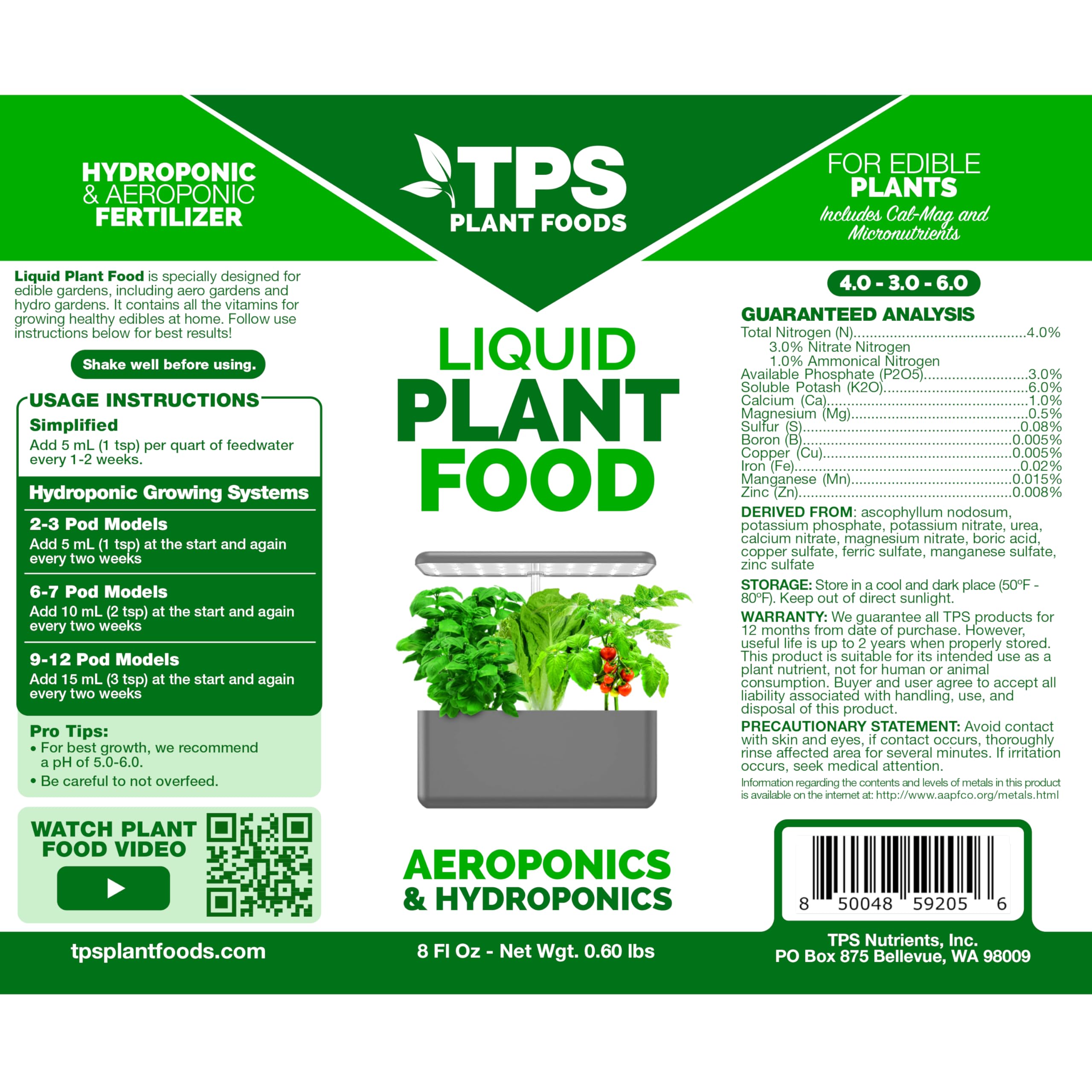
- Two-part hydroponic nutrient (small bottle set): $15-$25
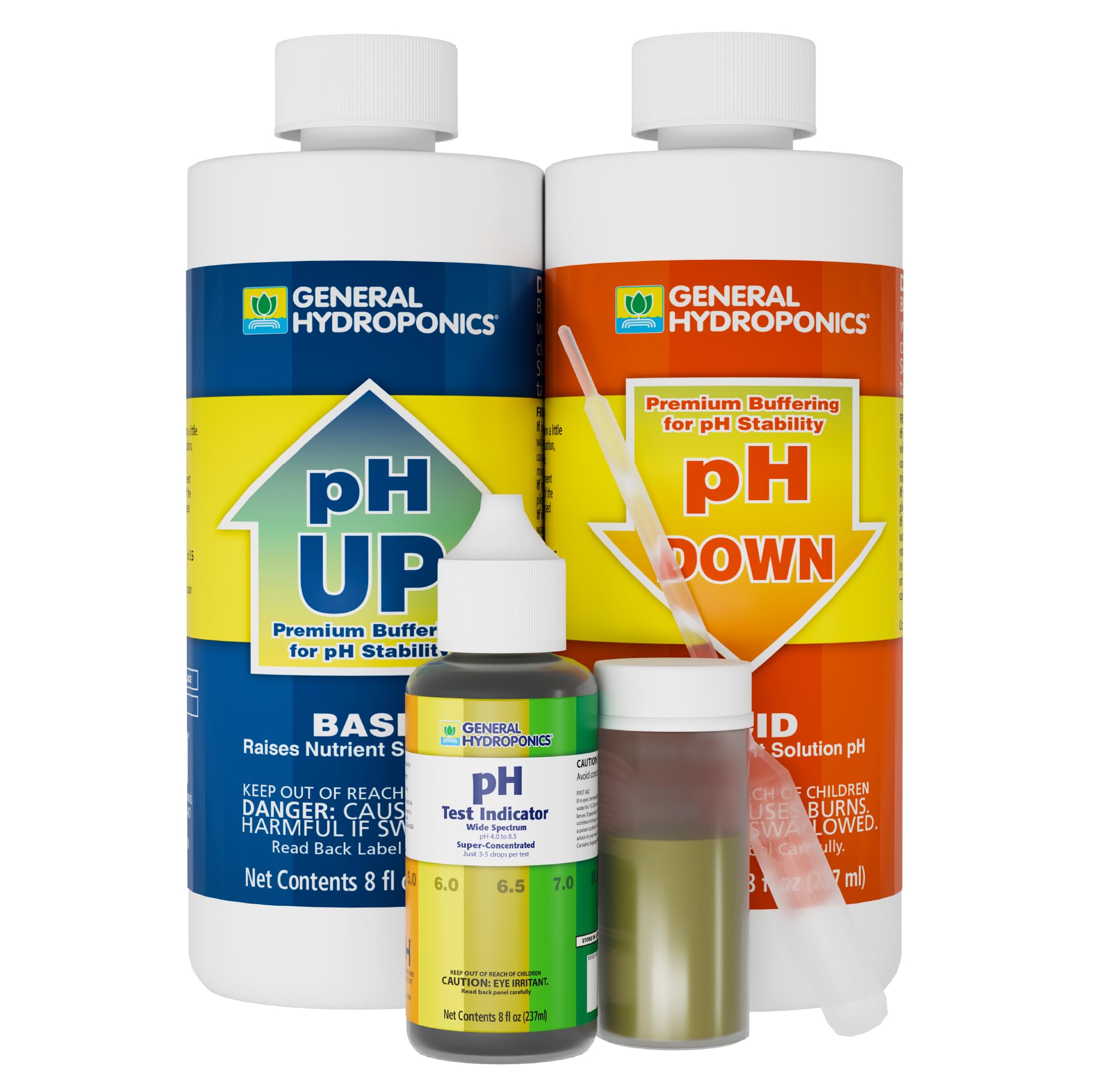
- pH test drops or pocket pH pen: $8-$20
Bundled lettuce raft kits sold on Amazon typically combine the raft, net cups, pump, tubing, and media into one box for $40-$70, leaving $30-$60 for nutrients, seeds, and a pH meter. If you already own a desk lamp with a daylight LED, you can often skip the dedicated grow light and stay well inside the budget. If not, a small clip-on LED panel can be added for $25-$40, though you may then need to drop the pH pen down to test drops to stay under $100. For a deeper dive on lighting choices, see our guide to the top grow lights for indoor plants in 2026.
Buying-guide checklist: features that matter in a classroom raft kit
Food-grade, opaque reservoir
Algae is the number-one classroom failure mode. A translucent storage tote will turn green in two weeks under fluorescent classroom lighting and tank your dissolved oxygen. Look for kits that ship with a dark-colored (black, dark gray, or dark green) HDPE tote, or plan to wrap a clear tote in black contractor-grade tape or aluminized mylar before students plant.
Properly sized air pump
For a 5-10 gallon raft, aim for an air pump rated at least 2-4 L/min with a dual outlet so you can run two airstones. Quiet operation matters in a classroom — anything above 45 dB will distract students. Many sub-$100 kits ship with a single-outlet pump; spending an extra $8 to upgrade to a dual-outlet model is one of the highest-ROI moves you can make.
Pre-cut foam raft with 1.5-2" net-cup holes
A raft with too many holes encourages students to overplant. For lettuce, 6-8 plants in a 10-gallon tote is a healthy ceiling. Closed-cell EVA or XPS foam resists waterlogging better than the cheaper open-cell Styrofoam many low-end kits ship with.
Rockwool starter cubes
Rockwool is the gold standard for student starts because seeds germinate reliably and the cube transfers cleanly into a net cup. Some kits substitute peat plugs or coco coir disks — both work, but rockwool gives the most consistent results for first-time classroom growers. If you are comparing media, our piece on coco coir vs soil covers the broader trade-offs.
Two-part nutrient solution included (or budget for it)
Single-bottle "all in one" concentrates are convenient but tend to fall out of solution at classroom temperatures. A two-part A+B formulation costs only a few dollars more and gives students a clean lesson in macronutrient vs micronutrient chemistry. See our roundup of the best indoor plant nutrients for 2026 for specific picks.
Three classroom-ready build paths under $100
Path A: The DIY tote build (~$55-$75)
Buy a 10-gallon black storage tote at any big-box store, cut six 2" holes in the lid with a hole saw, drop in net cups and rockwool cubes, and add a small aquarium air pump with a dual airstone. This is the cheapest path and the one most aligned with a true engineering-design lesson because students participate in fabricating the system. Budget roughly $20 for the tote and lid, $15 for the pump and airstones, $10 for net cups and rockwool, and the remainder for nutrients and seeds. The downside is that it requires adult supervision with a hole saw or sharp knife.
Path B: The pre-assembled bundled raft kit (~$55-$80)
This is the most common path for teachers who want to open the box and plant the same day. Look for Amazon listings that advertise "DWC bucket kit" or "deep water culture starter kit" with 6-8 sites. Most include the bucket or tote, lid with pre-cut holes, net cups, air pump, tubing, airstones, and a small bag of clay pebbles. Add a $10 bag of rockwool cubes, $8 in seeds, and a $15 nutrient pack and you are at roughly $80 all-in. This path is best for first-year teachers or after-school clubs with limited build time.
Path C: Hybrid raft + clip lamp (~$85-$98)
If your classroom does not have a south-facing window, you will need supplemental light. Combine a $50 bundled raft kit with a $30-$40 full-spectrum clip-on LED panel and you can grow lettuce on any countertop, year-round. This is the most reliable yield path but leaves the least margin for nutrient and seed restocks, so plan to recoup costs through a small produce sale or PTA grant. For lighting selection help, see how to choose the right indoor grow lights.
Comparison: three classroom build paths at a glance
| Feature | Path A: DIY Tote | Path B: Bundled Kit | Path C: Kit + Clip Lamp |
|---|---|---|---|
| Estimated total cost | $55-$75 | $55-$80 | $85-$98 |
| Setup time | 60-90 min | 15-25 min | 25-40 min |
| Engineering-design lesson value | High | Low | Medium |
| Works without window light | No | No | Yes |
| Plant sites | 6 (configurable) | 6-8 (fixed) | 6-8 (fixed) |
| Best for | Maker-space classes | First-time teachers | Interior classrooms |
| Lettuce time to harvest | 30-45 days | 30-45 days | 28-40 days |
Aligning the build to NGSS and STEM standards
A lettuce raft hydroponic kit for classroom STEM projects under $100 maps cleanly to several Next Generation Science Standards. MS-LS1-6 (photosynthesis and matter cycling) is the most obvious tie-in: students can mass-balance the nutrient solution before and after a harvest. MS-ETS1-3 (optimizing design solutions) fits the Path A build, where students iterate on raft hole spacing or airstone placement. HS-LS2-5 (carbon cycling in ecosystems) is reachable with a CO2 sensor add-on for advanced classes. For middle-school engineering classes, treat the raft as a system: define inputs (light, CO2, nutrients, water, oxygen), outputs (biomass, transpired water), and controls (pH, EC, temperature) and ask students to vary one input per group.
Setting up: a 5-step classroom protocol
- Day 0 — Germinate. Soak rockwool cubes in pH 5.8 water for 30 minutes, drop one lettuce seed into each cube, and place under a humidity dome on a warm shelf. Most varieties pop in 3-5 days.
- Day 5-7 — Assemble. Mix nutrient A and B per label instructions to roughly 1.0 mS/cm EC. Adjust pH to 5.8-6.2 with a few drops of phosphoric acid (or lemon juice in a pinch). Fill the reservoir.
- Day 7 — Transplant. Place each rockwool cube into a net cup, surround with clay pebbles, and seat the cup in the raft. Plug in the air pump.
- Days 7-35 — Maintain. Top off water every 3-4 days, recheck pH weekly, and replace the full reservoir every 10-14 days. Students log all measurements.
- Day 30-45 — Harvest. Cut the outer leaves for a "cut-and-come-again" harvest, or pull the whole head and start a new round. Weigh and graph biomass.
For ongoing care, our checklist on maintaining a hydroponic system works well as a student handout.
Common classroom pitfalls (and how to avoid them)
Algae bloom: Caused by light hitting the reservoir. Wrap any clear surface in opaque tape before planting. Root rot: Usually a sign the air pump is undersized or has stopped overnight. Confirm bubbles every morning. Stretchy, pale seedlings: Insufficient light intensity. Move the lamp closer or add a second clip light. Tip burn on lettuce leaves: EC drifted too high — top off with plain pH-adjusted water rather than fresh nutrient solution between full reservoir changes. Bitter taste at harvest: Plants bolted from heat or low light; harvest sooner next round.
Frequently Asked Questions
Can a lettuce raft hydroponic kit really fit in a school budget under $100?
Yes. A bundled 6-site DWC kit averages $55-$70 on Amazon in 2026, and rockwool, seeds, nutrients, and a basic pH test fit comfortably in the remaining $30-$45. The biggest line items that push budgets over are dedicated grow lights and digital EC meters — both optional for a first-semester build if you have window light.
What lettuce varieties grow best in a classroom raft system?
Butterhead types like Buttercrunch and Rex are the most forgiving and produce a beautiful rosette. Romaine varieties like Parris Island Cos work well for slightly longer cycles. Loose-leaf oakleaf and Salanova types are excellent for cut-and-come-again harvests. Avoid head-lettuce types like iceberg — they need cooler temperatures and longer cycles than most classrooms can provide.
How long does a classroom raft system take to produce harvestable lettuce?
From seed to first harvest is typically 30-45 days under good light. Cut-and-come-again harvests can begin as early as day 21 with loose-leaf varieties. That timeline fits a 9-week quarter cleanly, with two weeks of buffer for setup and student presentations.
Do I need a grow light, or will classroom fluorescents work?
Standard overhead fluorescents alone are usually too dim for fast lettuce growth; expect leggy plants. A south-facing window plus overhead light is often enough. If neither is available, budget $25-$40 for a clip-on full-spectrum LED. Our comparison of LED grow lights vs fluorescent covers the trade-offs in detail.
Is a lettuce raft safe for elementary students?
Yes, with two precautions. First, keep nutrient concentrate bottles locked in a teacher cabinet — they are mild salts but should not be handled by young children. Second, route the air pump cord through a GFCI-protected outlet and secure it with a drip loop so condensation cannot travel down the cord. Elementary students can plant, observe, measure, and harvest with normal classroom supervision.
Can students measure pH and EC without expensive meters?
Absolutely. A $6 bottle of pH test drops gives reasonable accuracy for lettuce, and EC can be estimated by careful nutrient mixing per label instructions. For older STEM classes that want quantitative data, an inexpensive combo pen runs $20-$30 — see our roundup of the best pH and EC meters for 2026.
What should students do with the lettuce after harvest?
The most common (and most popular) option is a classroom salad bar tied to a nutrition lesson. Schools with food-handling rules can instead donate to a culinary class, send heads home with students with a parent permission slip, or compost as part of a closing nutrient-cycle lesson. Any of these turns a science experiment into a memorable, multi-disciplinary capstone.
Final thoughts
A lettuce raft is the rare classroom STEM project that is cheap, safe, scientifically rich, and edible. Under $100, you can equip a single station that serves a whole class through one or two grow cycles, generate weeks of data, and end the unit with a salad. Whether you choose the DIY tote build, a bundled Amazon kit, or a hybrid with a clip-on lamp, the keys to success are an opaque reservoir, a properly sized air pump, rockwool starter cubes, and a simple two-part nutrient. Combine those with weekly pH checks and a student data log, and your first crop will land squarely in the harvest window. For broader context as you expand your indoor program, see our ultimate guide to hydroponics for home gardeners.
Key Takeaways
- Choosing the right lettuce raft hydroponic kit for classroom STEM projects under $100 means matching capacity and output ports to your actual devices
- Always check actual watt-hours (Wh), not just watts — runtime depends on Wh, not peak output
- Also covers: classroom hydroponics kit budget
- Also covers: STEM lettuce DWC project
- Also covers: school lettuce grow kit
- Compare price-per-Wh across models to find the best value for your budget