The vivosun aerocloner for rosemary woody stem cuttings can absolutely work, but only if you understand why rosemary fights back harder than basil, mint, or tomato. Woody, lignified rosemary stems carry a thick cuticle and very low endogenous auxin, so the typical aeroponic cloning timeline of 7–10 days stretches to 18–35 days. This guide covers how to set up the VIVOSUN 24‑ or 36‑site AeroCloner specifically for stubborn semi‑hardwood herbs, the misting‑cycle and water‑temperature adjustments that prevent stem rot during the long wait, and three preparation tricks that nearly double rooting rates on tough rosemary hardwood.
Why Rosemary Roots So Slowly in Any Cloner
Rosemary is a Mediterranean evergreen subshrub. Its stems shift from green softwood at the tips to semi‑hardwood mid‑stem and full hardwood near the base, often within a single 12‑inch shoot. The hardwood and lower semi‑hardwood sections have already developed secondary xylem, suberized bark, and a waxy cuticle that resists water and oxygen exchange. Even in the high‑humidity, high‑oxygen environment that an aeroponic cloner creates, those tissues are simply slower to dedifferentiate into root primordia. That is biology, not a defect in your machine.
The VIVOSUN AeroCloner is well‑suited for the job because it delivers a constant fog of oxygenated water directly onto the cut, which is exactly what a slow‑rooting stem needs to avoid desiccation during the extra weeks. Compared with a humidity dome over perlite, the cloner keeps oxygen at the wound site higher, which reduces the anaerobic rot that kills most rosemary cuttings before callus even forms. That said, you must dial in cycle, temperature, and prep, because the same constant fog that helps softwood basil root in five days can drown a hardwood rosemary stem if it is left on a 100% duty cycle for a month.

Choosing the Right VIVOSUN Cloner Size for Rosemary
VIVOSUN sells the AeroCloner in 24‑site and 36‑site versions, both built on a similar reservoir with a 360‑degree manifold and 1⁄2‑inch neoprene collars. For rosemary you almost never want a full deck. A reasonable mother plant gives you 6–12 viable semi‑hardwood cuttings per session, and overcrowding the collars creates a humid, still microclimate around the stems that invites botrytis. If you are scaling up, run the 36‑site but populate only every other collar and plug the rest with the blank inserts. You want airflow around each stem and full mist coverage on each cut.
If you are still choosing between a cloner and other setups, the broader category overview at best hydroponic systems 2026 places aeroponic cloners in context against deep water culture, NFT, and ebb and flow. Cloning is a niche application, but the same fundamentals about dissolved oxygen and root‑zone temperature carry over.
Cutting Selection: Semi‑Hardwood Beats Both Extremes
The single highest‑leverage decision is which part of the plant you cut. Rosemary cuttings fall into three categories, and the middle one wins by a wide margin in a vivosun aerocloner for rosemary woody stem cuttings setup:

- Softwood tips (top 2–3 inches): root in 10–14 days but wilt almost immediately because they have no carbohydrate reserves. In a cloner they often flop sideways and rot at the collar.
- Semi‑hardwood (4–8 inches down from the tip, this season’s growth that has just started to firm up): the sweet spot. Brown‑green bark, still flexible, snaps with a clean fibrous break rather than a clean stick crack. Roots in 18–28 days with good preparation.
- True hardwood (base of stem, gray‑brown, fully woody): can root in 35–60 days but failure rate climbs above 60% even with bottom heat. Not recommended for cloners.
Take cuttings in the morning when stem turgor is highest, ideally from a mother plant that has not been fertilized heavily in the prior two weeks. High nitrogen pushes soft growth that struggles to root.
The Three Prep Tricks That Nearly Double Success
None of these are exotic, but skipping any one of them is the difference between 30% and 70% take rates.
1. Wound the stem
Make a 1‑inch vertical scrape on two opposite sides of the lower stem with a clean razor, just deep enough to expose green cambium under the bark. This bypasses the waxy cuticle that resists rooting hormone uptake and is the single most important step for hardwood herbs.
2. Use a gel rooting hormone at 3000 ppm IBA
Powders fall off in mist. Liquids run off. A gel formulated at 3000 parts per million indole‑3‑butyric acid clings to the wound, which matters when the cutting will be misted thousands of times before it roots. Dip immediately after wounding and insert into the neoprene collar within 60 seconds so the cut surface does not air‑oxidize.
3. Strip lower leaves, then halve the remaining leaves
Rosemary needles transpire constantly. Strip the bottom 2 inches completely, then cut the remaining needles in half across the leaf with sharp scissors. This sounds brutal but reduces transpiration load by roughly 40% without removing photosynthetic capacity entirely, which is critical during the long callus phase before roots form.
Misting Cycle, Water Temperature, and pH
The factory VIVOSUN timer typically ships configured for a 1‑minute‑on, 5‑minute‑off cycle, which is fine for tomatoes and basil. For rosemary semi‑hardwood, that is too much water. Drop to 1 minute on, 9 minutes off for the first two weeks while callus forms, then return to a more aggressive schedule once you see white nubs.
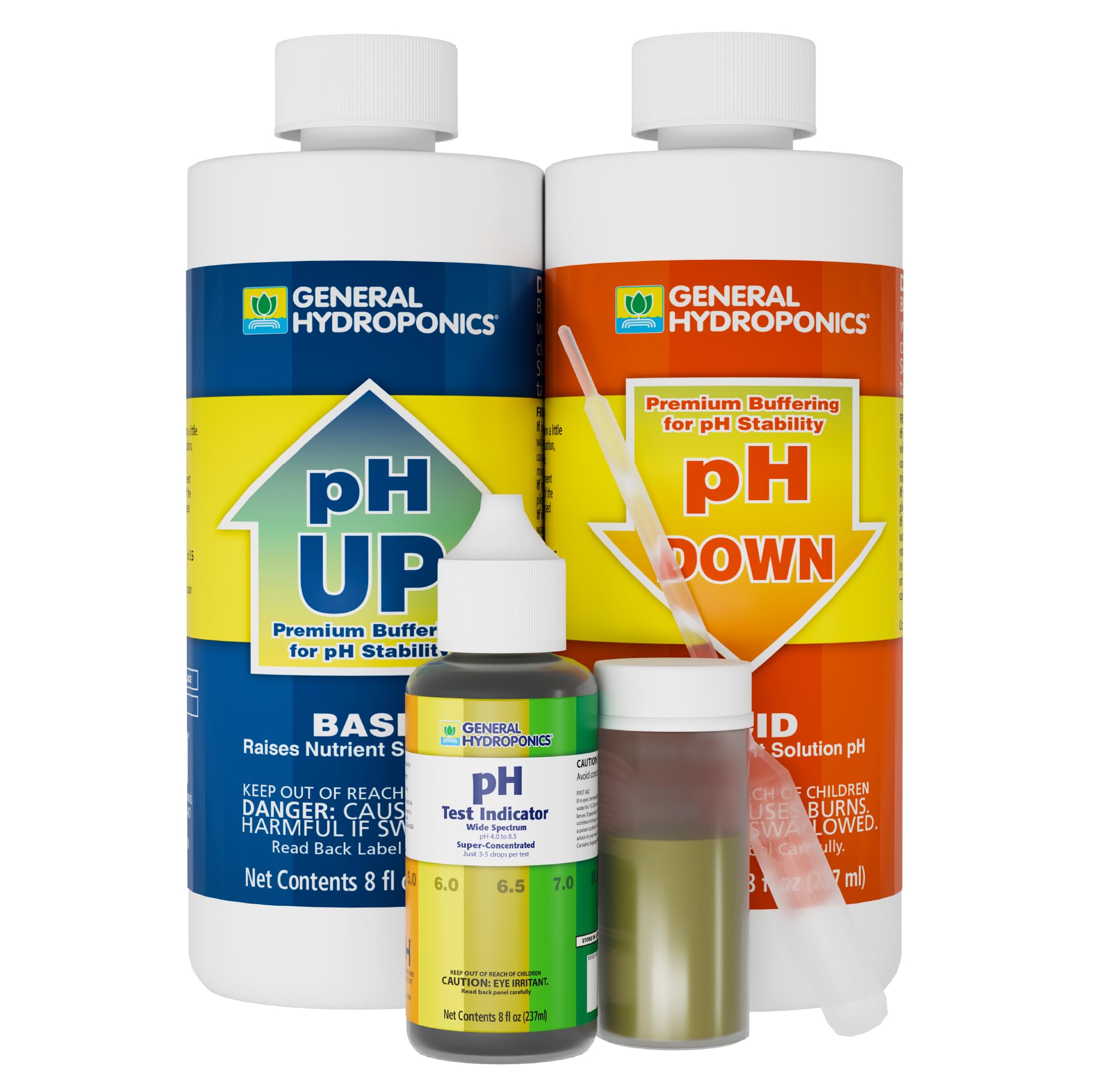
Reservoir temperature should sit between 68 and 72°F. Below 65 and metabolism stalls. Above 75 and dissolved oxygen collapses while Pythium thrives. A small aquarium chiller is worth the investment if your grow space runs warm. pH should hold at 5.8 to 6.2. You can verify with any decent meter, and the roundup at best pH and EC meters 2026 covers options that hold calibration long enough to be useful during a month‑long clone cycle.
Run plain RO or distilled water for the first week. Rosemary cuttings do not need nutrients before roots emerge, and dissolved salts at the cut surface can inhibit callus. Add a quarter‑strength clone solution (around 200 ppm) once you see the first roots.
Lighting and Ambient Conditions
Aeroponic cloners are usually placed on a counter under a low‑wattage T5 or a dimmable LED. You do not want intense PAR on a cutting that has no roots to feed it. Aim for 100–150 µmol/m²/s at the collar, 16 hours on. Ambient humidity above 60% reduces transpiration stress, which matters because rosemary needles will keep losing moisture even with the mist running. If your room is dry, the guide at maintaining indoor humidity covers cheap ways to bring it up without molding the rest of your garden.
Avoid the temptation to use a dome over the cloner. The internal mist already saturates the head space around the stems, and a dome traps the warm, still air that triggers powdery mildew on rosemary needles within days.
Week by Week: What to Expect
Knowing the timeline keeps you from pulling cuttings to check too early, which is the second‑biggest killer after rot.
- Days 1–7: nothing visible. Needles may droop slightly, then recover. Wounds should look clean and pale green, not brown.
- Days 8–14: white callus forms at the wound and basal cut. Some cuttings show small bumps. Do not lift.
- Days 15–21: first true roots emerge from callus on the strongest cuttings, usually 30–40% of the batch.
- Days 22–35: the rest of the viable batch roots. Any cutting that still looks identical to day 1 with no callus is almost certainly a loss.
Transplant when roots reach 1–2 inches. Beyond that they tangle in the collar and tear during removal.
Troubleshooting Common Failures
Black stem at the collar
Rot from oversaturation or warm reservoir. Reduce mist duty cycle, drop water temperature, and add hydrogen peroxide at 1 mL of 3% solution per gallon to suppress pathogens.
Needles drop but stem stays green
Heat stress or light too intense. Move the cloner farther from the light and check ambient temperature.
Cutting looks fine for three weeks then suddenly wilts
Almost always Pythium. Sterilize the reservoir, collars, and manifold with diluted bleach between batches. This is the most common cause of late‑stage failure in aeroponic cloners.
Callus but no roots after 4 weeks
Hormone was too weak or the cuttings were too lignified. Retry with semi‑hardwood material and 3000 ppm IBA gel.
When to Skip the AeroCloner Entirely
Honesty matters in a buyer’s guide. If you only ever plan to root a half dozen rosemary cuttings per year, an aeroponic cloner is overkill. A clear plastic container over moist perlite under a fluorescent tube will get you there for under twenty dollars. The VIVOSUN AeroCloner earns its place when you are rooting multiple herb varieties year‑round, sharing cuttings with friends, or supplying a small culinary herb operation. The same machine that struggles with rosemary will produce dozens of basil, mint, oregano, sage, and tarragon clones in a week. Read more about scaling herb production in successful indoor herb gardening tips before deciding.
Frequently Asked Questions
How long does it take to root rosemary in a VIVOSUN AeroCloner?
Semi‑hardwood rosemary cuttings root in 18–28 days under optimal conditions with wounded stems, 3000 ppm IBA gel, and a 1‑minute‑on, 9‑minute‑off mist cycle. Full hardwood cuttings can take 35–60 days with success rates below 40%. Plan for at least a month and resist checking before day 14.
Can I use the VIVOSUN AeroCloner for rosemary without rooting hormone?
You can, but expect rooting rates to drop from around 65% to roughly 20%. Rosemary woody stems have very low endogenous auxin and benefit dramatically from exogenous IBA. A gel formulation at 3000 ppm is the most reliable choice in a misted environment because it does not wash off the cut surface the way powder or liquid does.
What is the best misting schedule for woody herb cuttings in an aeroponic cloner?
Start at 1 minute on and 9 minutes off for the first 14 days while callus forms, then move to 1 on and 5 off once you see white root nubs. This protects against stem rot during the long pre‑root phase while still keeping wounds oxygenated. Softwood herbs like basil tolerate the factory default cycle, but hardwood subshrubs like rosemary, lavender, and thyme need the reduced duty cycle.
Does the VIVOSUN AeroCloner need a chiller for rosemary?
If your grow space stays below 74°F, no. If summers push the room above that, yes. Reservoir temperatures over 75°F crash dissolved oxygen and invite Pythium, which is the leading cause of late‑stage cutting failure. A small 1—10 horsepower aquarium chiller or a frozen water bottle swapped twice a day during heat waves both work.
Why are my rosemary cuttings turning black at the bottom?
Black basal rot in a cloner almost always traces to one of three causes: warm reservoir water above 75°F, an overly aggressive mist cycle saturating the stem, or contaminated collars from a previous batch. Sterilize between runs with a diluted bleach soak, drop the mist duty cycle, and add hydrogen peroxide at 1 mL of 3% per gallon to the reservoir.
Should I add nutrients to the reservoir while rosemary cuttings are rooting?
Not for the first 7–10 days. Plain RO or distilled water at pH 5.8–6.2 is ideal during callus formation because dissolved salts at the wound site can inhibit cell division. Once you see the first white root tips, add a quarter‑strength clone solution around 200 ppm. Full‑strength herb nutrient should wait until after transplant.
Can the same VIVOSUN AeroCloner root lavender, sage, and thyme using these techniques?
Yes. Lavender, sage, thyme, oregano, and tarragon all share the Mediterranean subshrub growth habit and respond to the same protocol: semi‑hardwood selection, wounding, 3000 ppm IBA gel, reduced mist cycle, and cool reservoir. Timelines vary by species, with thyme often the fastest at 12–18 days and lavender the slowest at 25–40 days, but the equipment setup and chemistry remain identical to what works for the vivosun aerocloner for rosemary woody stem cuttings approach described above.
Key Takeaways
- Choosing the right vivosun aerocloner for rosemary woody stem cuttings means matching capacity and output ports to your actual devices
- Always check actual watt-hours (Wh), not just watts — runtime depends on Wh, not peak output
- Also covers: vivosun aerocloner herbs
- Also covers: aerocloning woody herbs rosemary
- Also covers: rosemary clone success aeroponic
- Compare price-per-Wh across models to find the best value for your budget